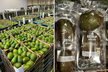
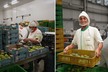
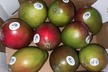
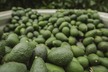
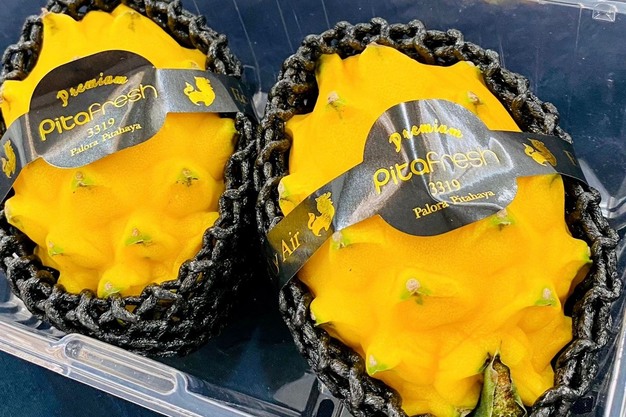
Ecuador's yellow pitahaya has maintained a strong presence in major international markets due to its quality, the denomination of origin of the Palora variety, and an increasingly technical production system. The United States and Asia remain the largest buyers, but markets like Peru and, to a lesser extent, Europe are emerging as growth areas. While competition from other producing countries is increasing, the Ecuadorian fruit is notable for its sweetness and preservation," stated Pitafresh.
 © Pitafresh
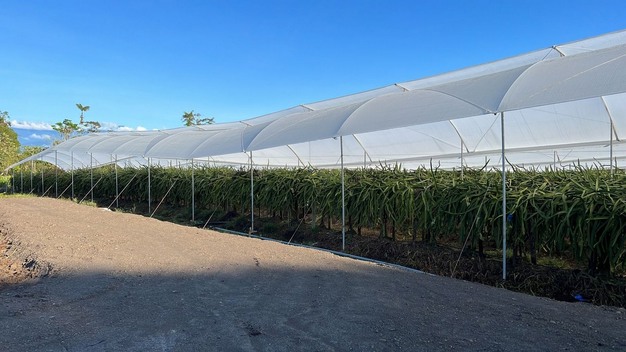
From Palora, Pitafresh has been running a continuous production cycle that begins in October and continues until April. According to Jorge Luis Hidalgo, the company's general manager, the goal is to provide a year-round supply by shifting from eight months of production to nearly nonstop output. "We've gone from producing 20,000 kilos per hectare to 45,000 to 50,000 kilos per hectare. It's intensive production," he stated. Innovations such as LED lights and fertigation systems have significantly contributed to this growth.
The United States remains a key market with regular shipments by both sea and air. Southeast Asia, particularly China and Hong Kong, is also a focus, though transportation to these regions is mainly by air. Peru, blending local consumption with its own production, is currently one of the largest demanders in the Americas. "Peru is arguably one of the biggest consumers of yellow pitahaya in the Americas, but it does not yet have the capacity, so Ecuador supplies that entire market," Hidalgo stated.
 © Pitafresh
The Palora denomination of origin sets itself apart from the competition. "Nobody produces like us. Our fruit has a higher Brix level and a longer shelf life, which makes us different," the manager stated. The country's geographical location, with its relatively mild climate, also allows fruit to be available when other countries don't have it.
However, there are some challenges to exporting. In the United States, shipments face a 15% tariff, which raises the product's cost at the destination. "At the end of the day, it is the end consumer who pays for all this," Hidalgo stated. Still, demand remains steady, and the price outlook for next year looks more positive than in the previous season.
 © Pitafresh
The company has not experienced any major logistics setbacks related to space or freight, although it acknowledges that other companies in the sector have faced difficulties. "The fruit is shipped according to destination: by sea for the United States, by air for Asia and Europe, and by land for Peru. Consumption in Europe remains low and is focused on niche markets, especially among Asian communities, but the product has started to gain ground thanks to its organoleptic qualities and functional benefits," he concluded.
 For more information:
Jorge Luis Hidalgo
Pitafresh
Ecuador
Tel: +593 983 481 153
Email: [email protected]