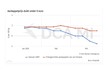
This spring, Belarus experienced a potato shortage that left supermarket shelves nearly empty. The crisis emerged after many farmers diverted their harvest to export markets, where prices were 2.5 to 3 times higher than in Belarus.
According to the Ministry of Antimonopoly Regulation and Trade (MART), several producers failed to fulfill supply contracts with local retail chains, opting instead to sell abroad. "Producers prioritized economic interest and export sales, leading to shortages in the domestic market," said Trade Minister Artur Karpovich.
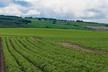
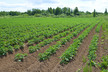
In April 2025, the government raised the maximum retail price for potatoes from BYN 0.76 to BYN 1 per kilo (€0.27), along with increases for cabbage and onions, in an attempt to support local growers. Still, the price cap left production unprofitable for many farms. Farmers had warned authorities a year earlier that tight price controls could result in lower planting areas and eventual shortages. In the Grodno region, potato fields had already been reduced by 20%.
By May, stores stocked only small, low-quality potatoes, sparking public outcry. President Alexander Lukashenko eventually acknowledged the shortage, suggesting farmers preferred to sell to Russia, but downplaying structural causes. Economists and growers, however, argue that the real issue lies in rigid domestic price regulation, which made potato farming unsustainable.
Popular Belarusian varieties such as Briz, Pershatsvet, and Garantia, reportedly grown by Lukashenko himself, remained in demand, with seed potato sales organized twice a year by the National Academy of Sciences.
The shortage also forced authorities to lift restrictions on imports. On May 27, Belarus temporarily allowed potatoes, onions, cabbage, and apples from "unfriendly" countries, including EU states, despite previous bans tied to political sanctions.
Industry representatives in neighboring Russia stressed that the problem stemmed from a weak harvest in 2024, not mass exports. Still, Belarus now faces pressure to rebuild domestic supply while balancing the lure of export markets.
As the government promises stricter enforcement of contracts and fines for non-compliance, the episode highlights the tension between market realities and state control, and the risk of future supply disruptions in the country's staple crop.
Source: belta.by / news.zerkalo.io