As Egypt's 2025 sweet potato season enters its early weeks, an Egyptian exporter is describing the current situation as one of the most pivotal in more than a decade. According to Adel Ellithy, managing partner of Egyptian sweet potato exporter Agro Green, the sector is under significant strain: "Only the most resilient, disciplined, and sustainability-driven players are likely to succeed this season."
Ellithy points out that the sector has been hampered for years by blurred lines between growers and opportunistic traders. "This has damaged pricing, eroded buyer confidence, and stalled sustainable market development. The cumulative damage has now become impossible to ignore. Today, success depends not on quick wins but on sustainable strategies that build confidence in Egypt as a reliable long-term supplier."
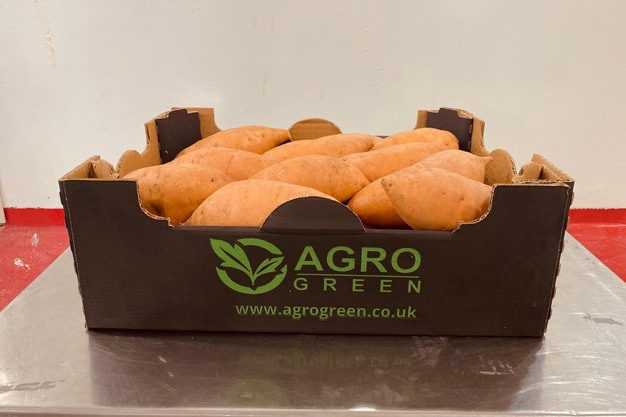 © Agro Green
The sector is also facing wider economic challenges, including currency devaluation, rising input costs, and limited financing. "Many smaller farms find planting uneconomical, leading to reduced acreage and lower production," Ellithy explains. "Only companies that can optimize resources, improve efficiency, and invest in resilient practices will remain competitive."
Ellithy criticizes what he calls Egypt's 'copy-and-paste' planting mentality. "Growers often chase whichever crop performed well the year before, which creates cycles of oversupply and scarcity. Following a difficult 2024 season, many growers pulled back from sweet potatoes. This has left sharply reduced plantings and a tight supply outlook for 2025."
The organic market segment remains limited. "Fewer than three companies in Egypt can currently meet Europe's strict organic requirements, yet demand continues to grow," he says. Organic sweet potatoes, he adds, are becoming "a scarce and strategic commodity."
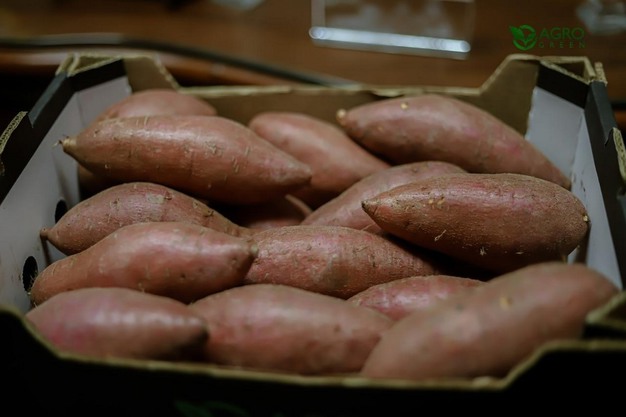 © Agro Green
Residue compliance remains one of the most pressing issues. "Since late 2023, the spread of MRL and Mepiquat residues has posed a serious threat to Egypt's export credibility. Meeting residue standards is now a survival requirement," Ellithy emphasizes. He notes that only exporters able to invest in prevention, testing, and full traceability will retain access to high-value markets.
Looking ahead, Ellithy sees 2025 as a possible turning point. "The 'hit-and-run' approach of the past decade is no longer viable. Global competition, stricter regulations, and evolving buyer expectations mean that only those willing to invest in discipline, innovation, compliance, and transparent partnerships will succeed," he concludes.
For more information:
Adel Ellithy
Agro Green Ltd.
Tel: +44 7850 086554
Tel: +20 109 883 4444
Email: [email protected]