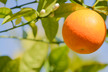
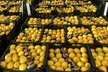
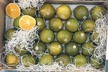
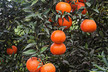
In 2025, the Isle of Beauty celebrates 100 years of clementines. The only French clementine to hold a PGI (awarded in 2007) and instantly recognisable by its signature "little green bottom", the Corsican clementine is now cultivated by nearly 205 producers. Jean-Paul Mancel, President of the Association for the Promotion and Defence of the Corsican Clementine (APRODEC), has shared the first estimates for the upcoming 2025-2026 season.
 © APRODEC
The first clementine tree planted in Corsica in 1925
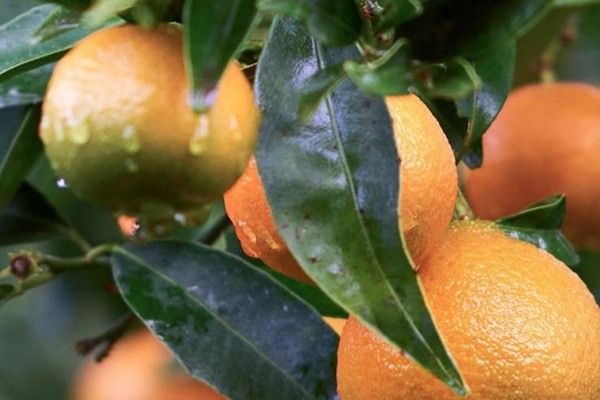
"2025 is a symbolic milestone: the centenary of the very first clementine tree planted in Corsica," explains Jean-Paul Mancel. That first tree was planted in 1925 by Mr Don Philippe Semidei in Figaretto, on the island's eastern plain. In the 1950s, production was still limited to 250 hectares, but it expanded significantly in the 1960s with the creation of the San Giuliano agronomic research station, which today houses one of the world's largest citrus collections. Today, Corsican clementine orchards comprise some 710,000 trees across 1,710 hectares under PGI (36,000 tonnes), with 10% of this production certified organic.
 © APRODEC
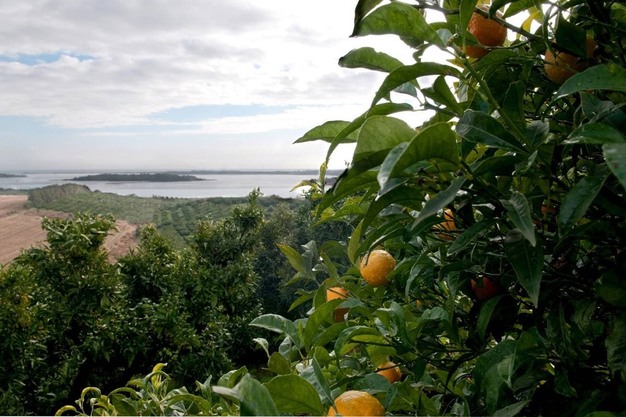
The Corsican clementine has also carried the Label Rouge since 2014
Volumes expected to be close to those of the 2023-2024 season
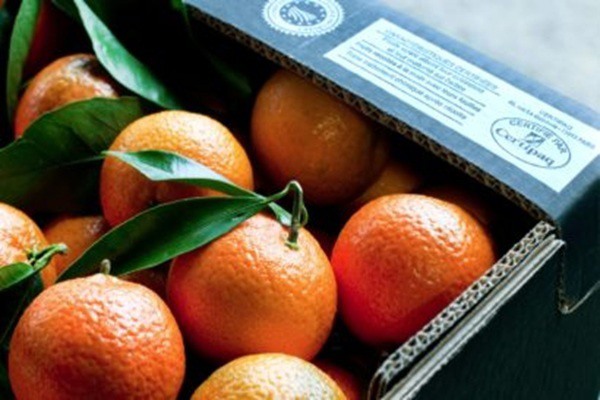
While it is still too early for a definitive forecast, initial estimates suggest a smaller crop than last year. "I'd say around 20% less," notes Jean-Paul Mancel. "But we'll have more clarity by mid-September." If confirmed, this would bring volumes in line with those of two years ago, considered an average season. Last year, production was particularly abundant, with nearly 32,000 tonnes shipped compared to 27,000 tonnes the year before. As for the cause of this drop – alternation, climatic effects? "There's no certainty yet," says Mancel. For now, fruit development looks normal. "We've had no particular production issues, and irrigation conditions have been favourable. Regular rainfall meant water was never lacking." The first Corsican clementines of the season are expected to reach the market in just over a month.
 © APRODEC
 For more information:
APRODEC
Maison de l'Agriculture
15, avenue Jean Zuccarelli - 20200 BASTIA
Tel: 04 95 31 89 37
[email protected]