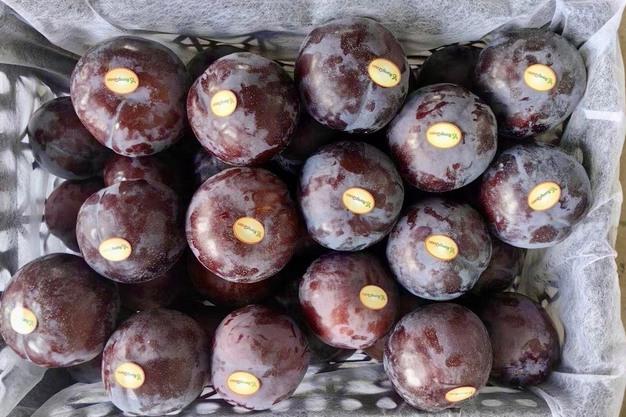
India's domestic plum supplies, which run from April to August, are now drawing to a close, and importers are preparing for the seasonal shift to international supply, says Zain‑ul Abdin, Managing Director of fresh produce importer Al Hassan. "Chinese plums have been arriving since July in 8 kg cartons and will continue through October," he adds.
However, the market has been slower this year. "Local plums remained available for longer, so demand for imports has not picked up as quickly. So far, profits are lower compared to last year," Abdin notes.
 © Al Hassan
From September to November, Iranian plums will take over. "Iran has an edge over China because they are sweeter and low-priced, while Chinese plums tend to be more citrusy and tangy," Abdin explains. He adds that Iranian plums are widely eaten fresh, whereas Chinese plums are often purchased for gifting due to their attractive appearance but sharper flavour.
Abdin mentions, "India imports plums from four main origins, which include China, Iran, Spain, and Australia. Though China and Iran dominate volumes, Spain supplies roughly 20 percent of the annual market from November to March, while Australia contributes to about 10 percent from January to July. This staggered calendar means plums are available year-round, much like apples and oranges."
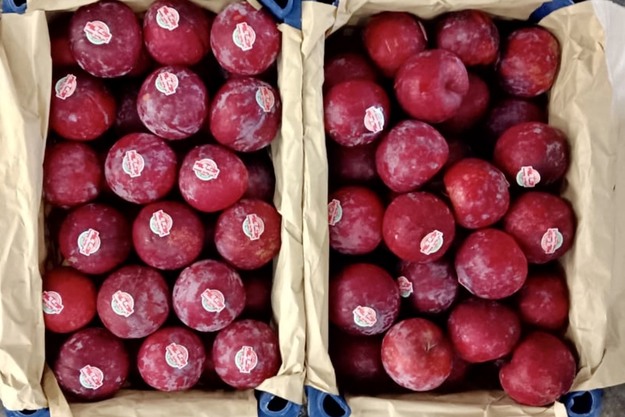 © Al Hassan
Weather challenges, Abdin notes, have created some pressure in supply and price. "This season, heavy rains in some producing regions caused softer fruit and smaller crops, pushing prices up. "Last year, Chinese plums were about USD 6 per 8 kg per box. This year they are USD 7 to 7.5, with a 1.5 dollar hike impacting demand."
Al Hassan is bringing in its final Chinese shipments for the year, with volumes softened by higher prices and competition from late-season local fruit. "We won't be adding new origins for now, but are open to opportunities if the price, taste, and quality are right. For now, these four origins suit our market well," Abdin concludes.
For more information:
Zain-ul Abdin
Al Hassan Group
Tel: +91 99 10 275 435
Email: [email protected]
www.alhassangroup.in