In the past year, South Africa's agricultural sector encountered challenges, including drought impacts and foot-and-mouth disease affecting livestock markets. Now, there are indications of recovery. Statistics South Africa indicates a 15.8% growth in agriculture's gross value added in Q1 2025. This growth is primarily due to increased field crops and horticulture, suggesting renewed momentum in the harvest supply chain.
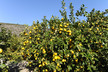
Rainfall has rejuvenated grain, oilseed, and citrus production, marking an 18 million ton spring crop, a 16% increase year-on-year. In the livestock sector, improved grazing conditions contribute to herd stabilization, yet biosecurity remains a concern for meat and dairy processors recovering post-COVID.
In terms of exports, Q1 agricultural exports hit US$3.36 billion, a 10% rise year-on-year. Notable exports include citrus, wine, and nuts, particularly from the Cape. Despite this, issues such as cold storage constraints, port inefficiencies, and last-mile logistics challenges persist, particularly in remote areas like Karoo and Overberg.
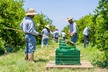
For agri-processors, this has led to investment in on-site cooling, grading capacity, automated packhouse systems, and third-party logistics partnerships featuring temperature-controlled capabilities.
By mid-2025, the Western Cape's agri-sector is reflecting on strategies, adjusting CapEx budgets, and contemplating how to maintain recovery. Many are focusing on scaling up post-harvest infrastructure in fruit-heavy regions like Cape Winelands and Ceres Valley, adhering to EU and BRICS export standards to secure growth in these markets, channeling surplus produce to local markets like Gauteng, Eastern Cape, and KZN, and building resilience in the meat and dairy supply chain recovering from 2024's setbacks.
The Western Cape leverages innovation, export leadership, and processing prowess, distinguishing itself while the national sector stabilizes. From Stellenbosch to Citrusdal, Paarl to George, agri-processors are demonstrating leadership through climate resilience and commercial strategy.
Source: Cape Business News