The Lebanese cherry season is underway, marked by a significant drop in volume, which is offset by high-quality fruit and solid local and international demand. Mario Massoud, managing director of Biomass, a grower of organic and conventional cherries, reports on the current season and the prospects of the stone fruit industry in Lebanon.
 © Biomass
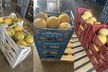
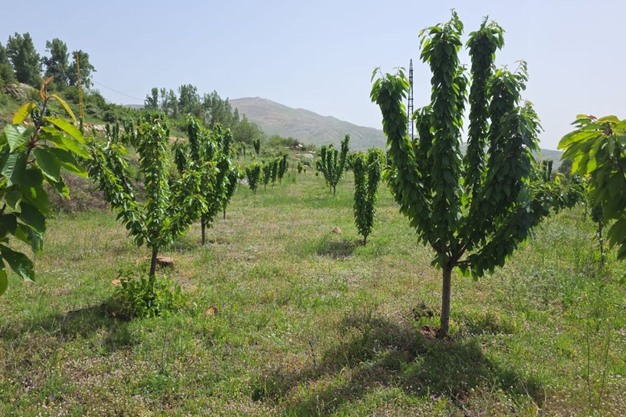
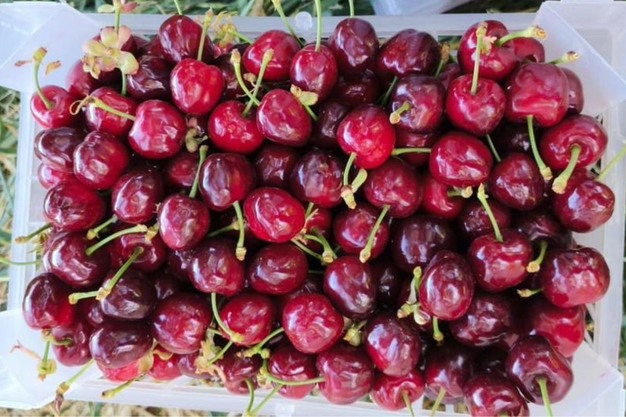
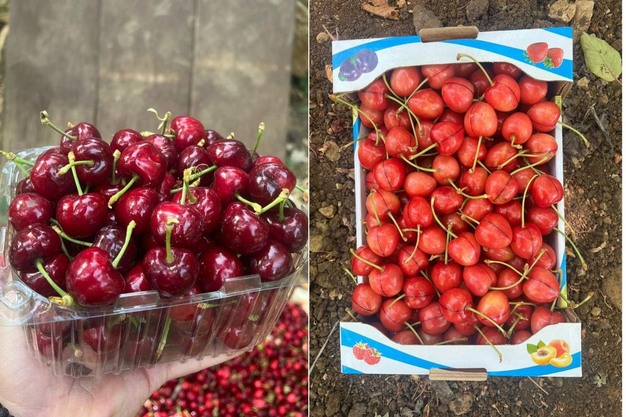
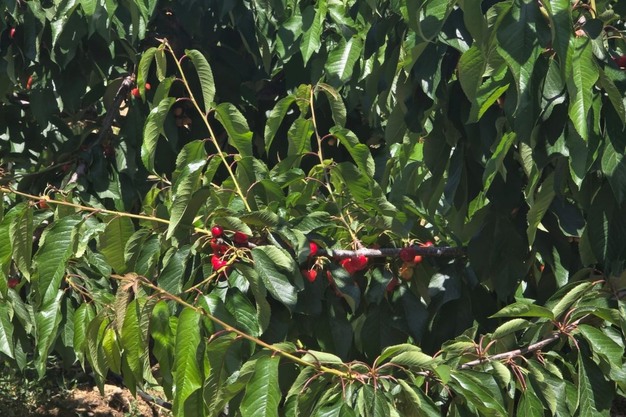
Massoud says, "This year, we are experiencing a short season that began in early May and will end in mid-July, instead of late August as usual. Adverse weather conditions during the flowering phase have resulted in a 60% loss in volume compared to a typical season. However, the quality of cherries from Lebanon is truly extraordinary this season. We have obtained sweet, juicy, firm, and crisp cherries."
This season, insufficient supply has confined Lebanese producers to the local market. Massoud explains, "There have been few exports, mainly to neighboring markets in the United Arab Emirates, Iraq, Kuwait, and Jordan. However, most of the production is sold locally. The decline in production has also led to higher prices, which have doubled compared to last season."
 © Biomass
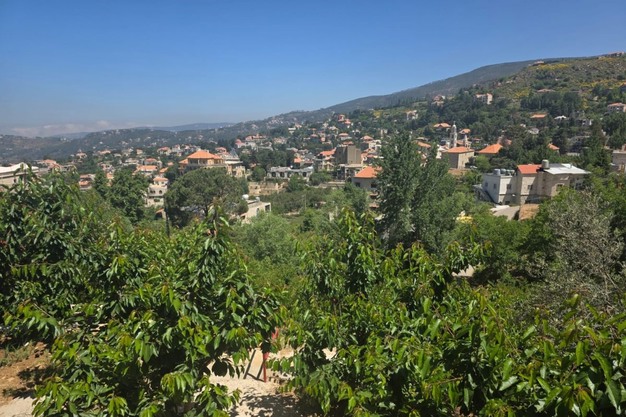
Climate change is putting severe strain on Lebanese stone fruit growers, but they are not short of solutions. Massoud says, "We are currently looking into the possibility of expanding production to other regions. As everyone knows, Lebanon has high mountains with several microclimates, and many areas are conducive to stone fruit production and have not yet been exploited. Another serious possibility is introducing new varieties, either early or late-yielding, which could mitigate the effects of climate change."
 © Biomass
Historically, the country has been an exporter of premium stone fruits to several markets, including the Gulf countries, Eastern Europe, and North Africa. According to Massoud, industry actors are trying to restore this status. "We are fortunate to be located in a region conducive to stone fruit production and at the crossroads of markets," he says. "It takes us one hour to fly our produce to Greece, and one to three hours to deliver it to the Gulf. We have had problems in recent years due to the situation in the Middle East and climate change, but everything necessary to develop the markets is currently being done."
"We rely on premium-quality local varieties, such as the Ferouani cherry, which is similar to Regina, which is sought-after in Europe. Additionally, we are working on varietal development to adapt to climate change. We are also investing in upgrading the logistics infrastructure needed for export, improving production and packaging standards, and obtaining the necessary certificates to meet destination market standards," he continues.
 © Biomass
Above all, Lebanese exporters hope for a swift political solution that will allow them to return to the Saudi Arabian market. Since 2021, Saudi Arabia has banned Lebanese fresh produce over diplomatic disputes. Massoud says, "The Saudi Arabian market has historically been very important to us. I know our government and embassies are actively working to resolve this issue quickly, possibly as soon as next season."
"Besides Saudi Arabia, we want to increase our stone fruit exports to three main areas: the Gulf countries, North Africa (especially Egypt, one of our traditional markets), and the European Union. We believe these markets will appreciate our premium fruit, whose seasonality gives us a competitive advantage, and we're already seeing signs of potential demand in Europe," he adds.
 © Biomass
"At Biomass, we are part of the national effort to restore the popularity of Lebanese cherries and stone fruit. We are certified organic in Europe and have obtained Global Gap certification for conventional cherries. We are in the process of obtaining SMETA social certification. We look forward to establishing relations now in preparation for the 2026 season," Massoud concludes.
For more information:
Mario Massoud
Biomass
Tel: +961 3 444 623
Email: [email protected] / [email protected]