In France, fieldwork during peak heat hours is prohibited to shield workers and mitigate fire hazards, with operations ceasing as temperatures exceed 39 °C. Spain and Portugal observe unprecedented June temperatures, with El Granado reaching 46 °C and Mora 46.6 °C. Italy has placed 21 cities, such as Rome and Milan, on red alert with heat exceeding 38 °C.
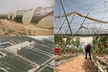
High-tech greenhouse operators are observing developments in the European potato sector, anticipating reduced yields amid the ongoing heat. Excessive temperatures may impair tuber development, affecting crop schedules. Farmers in Spain, Italy, and southern France depend heavily on irrigation to avert crop failure. Meteorologists referenced by the farming outlet Wikifarmer highlight the risk of prolonged inland instability if the Mediterranean's marine heatwave elevates sea temperatures by up to 9 °C above average, pressuring already struggling farms.
The European Commission's analysis indicates that droughts and heatwaves presently impose annual costs of approximately 28 billion euros on EU farmers and livestock producers, representing 6% of total agricultural output. Projections suggest an increase to 10% by 2050 should extreme weather patterns persist.
French health services report increased heat exhaustion and dehydration cases, predominantly in rural sectors, while urban driving restrictions and nuclear plant shutdowns aim to address climatic challenges. The public is advised to remain indoors during peak heat and monitor vulnerable persons.
Farmers grapple with dual challenges: Greater water requirements for crops and impediments in utilizing existing soil moisture, exacerbated by extreme heat. UN remarks frame extreme heat as a developing norm, with the "heat dome" phenomenon and ongoing climatic shifts heightening the likelihood of future abnormal temperatures.
Source: RFI