The potato season is coming to an end in Cartagena, Spain, with good results in terms of quality, volume, and price. The spring rains have not had as big of an impact as initially feared, and although sizes have been smaller, the outcome has so far been satisfactory.
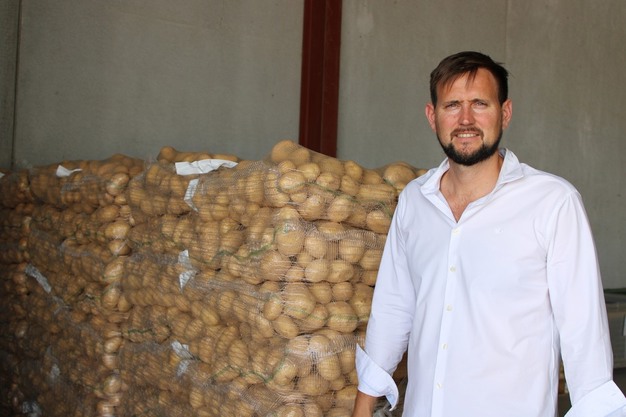
As far as the weather is concerned, Philip Bloemen, Manager of Crillamur, which exports around 8 million kilos of potatoes annually, believes that "the rainfall in Murcia has been less damaging than expected. Sizes have been somewhat smaller, and there have not been many issues with mildew. In northern Europe, those who need quality potatoes are getting them from Cartagena, perhaps at a higher price, but they are buying a good product."
 © Lydia González | FreshPlaza.com
The Soprano from Cartagena is highly appreciated
"Potatoes from Cartagena tend to fetch a higher price than those from Seville or Valencia because they are the first to be harvested and are not as affected by the heat, among other factors," says Bloemen, adding that, in the case of Valencia's potatoes, "you need a high turnover and quick, reliable sales because, in general terms, they have a shorter shelf life. The quality of the Valencian potatoes reaching the supermarkets is indeed good, but they are harvested later and are more exposed to higher temperatures as the campaign progresses."
"The arrival of Cartagena's production tends to be highly anticipated because, in addition to being the first, its quality is also good. One of the most popular varieties is the Soprano, which isn't native to this area, but has adapted well. Supermarkets have made it trendy because of its uniform shape and good skin," says Bloemen.
New potato vs. conservation potatoes
In the last three years, Cartagena's potatoes have reached "higher prices because of a shortage of potatoes in European markets, specifically the Agria potato. This year, there has been a lower demand from France and the rest of Europe," says Bloemen. The manager believes that "they are trying to meet the demand with their own conservation potatoes, making it available all year round. Now is the time when they traditionally buy new potatoes, but consumers have the option to buy their own conservation potatoes."
In the manager's opinion, "they prefer a potato that is good to eat, then they look at the price and then at the appearance, because they have a potato-eating culture. They make a distinction between the potatoes intended for boiling, frying, or steaming. In the case of Spain, especially in the south, we look first at the appearance, then the price, and, lastly, consider if it is good to eat."
Other important aspects regarding Cartagena potatoes are "the soil's pH, the cooler temperature because of the time of year, and the fact that they are grown near the sea. All this makes them he best option for those who want quality new potatoes."
 © Lydia González | FreshPlaza.com
As far as the lack of seeds is concerned, "since we are not growers, it hasn't affected us to such a big extent, but when arranging contracts for the Agria or Lady Amarilla, growers are asking for another variety to be bought as well, which is a clear sign of a shortage of seeds."
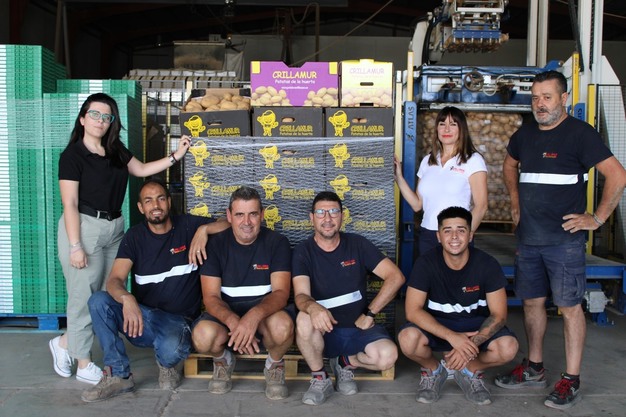
As for the varieties preferred at Crillamur, the manager says that, in general, "we go for the ones that wash well and don't give problems, for example, the Orchestra from France or the red Rudolph from Albacete. For frying, the most popular is the Agria. Potatoes for frying stand out for their yellow color and higher amount of dry matter. There are other varieties which are just as good for this purpose, but they are not as highly demanded."
Something that has caught the consumer's attention is that, in general, potato prices have been increasing over the years. "This is due to the added value that supermarkets have given it, and we are seeing prices that were unthinkable in the past," says the manager.
For more information:
Philip Bloemen
Crillamur
Tel.: +34 968 603 014
[email protected]
www.patatascrillamur.es