India's blueberry market is navigating a transitional phase as import seasons shift. Traders face limited supply, high freight costs, and evolving consumer preferences, according to Gagan Khosla, CEO of NGK Trading Co.
"The availability is limited as we are between seasons," Gagan notes. "Peru is ramping up, and I expect a good volume of blueberry arrivals from Week 28. Peru holds the largest market share, followed by Chile and the USA, favored for consistent supply and quality. These origins drive consumer demand, though seasonal gaps challenge year-round access."
Meanwhile, pricing is elevated due to low volumes. "Prices are quite high, but once volume starts arriving, we will be in line with past seasons," Gagan predicts. "Peruvian supply from July should stabilize costs, aligning with historical trends."
 © NGK Trading Pvt. Ltd.
According to Gagan, new origins could diversify the supply. He is hopeful of access to Morocco and Tunisia, but plant quarantine protocols remain absent, blocking imports. "Having access to fruit from Morocco or Tunisia will even the game a little bit, but we don't have a protocol with these countries, so blueberries aren't allowed to be imported. South Africa's potential entry could also influence competition, offering closer sourcing to reduce freight costs," he added.
Freight costs, particularly air freight, remain a major hurdle. "The biggest cost today is air freight," Gagan explains. "The ability to move ocean containers with optimum fruit quality is key to expanding the market size as prices will come in line with mass market expectations."
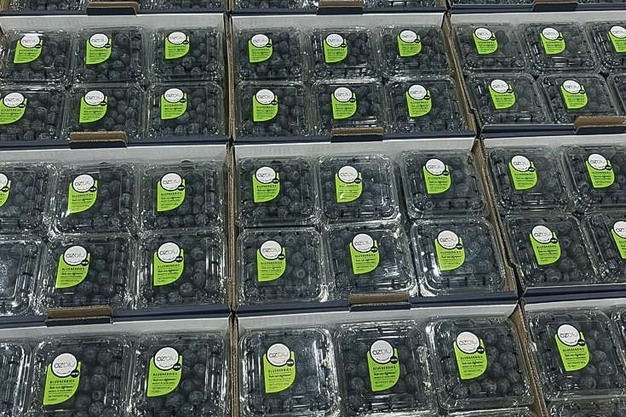
"Tariffs have also provided a boost to volumes. A reduction from 30 percent to 10 percent last year lowered prices, increasing imports. As the import tariff has come down, prices have corrected and volumes have picked up, making blueberries more affordable," Gagan observes.
 © NGK Trading Pvt. Ltd.
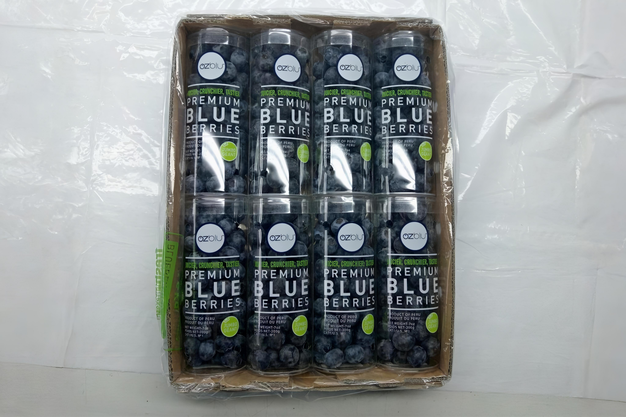
Gagan emphasized that import requirements prioritize quality. "Eating quality, size, and consistent availability are important," he states. "Consumer preferences are shifting toward premiumization, with some buyers paying for larger, better-tasting fruit." He also stated that larger pack sizes, like 200-gram tubes, could soon be gaining traction, reflecting a change in retail preferences.
"While branding and consistent quality are what will set the best growers apart, traders balancing cost, quality, and market access will influence the import landscape, positioning the fruit for wider reach in India," Gagan concludes.
For more information:
Gagan K Khosla
NGK Trading Co Private Limited
Tel: +91 9810 6012 34
Email: [email protected]
www.ngktrading.com