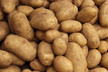
As Egyptian sweet potato exports are going full steam ahead in September, exporters are intensifying their efforts to clear the bulk of their stocks. European demand is strong and stable, but the Gulf market, which usually absorbs large quantities of Egyptian sweet potatoes has yet to take off. Abdullah Elrehiewy, CEO of Royal Foods for Export, comments on the market situation.
Abdullah says, "The sweet potato harvest in Egypt is nearing its peak as the highest export demand is expected in September. The production and harvest conditions were very good. at Royal Foods, we successfully produced in excellent quality the varieties most in demand. Volumes are abundant as well.
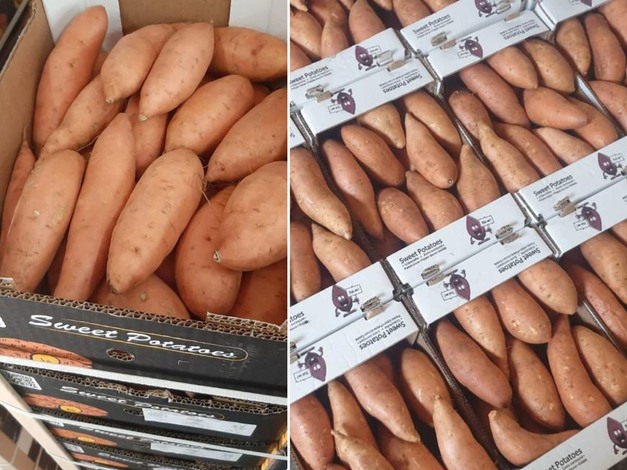
Strong demand for Egyptian sweet potatoes in the previous season has led to an earlier-than-usual start to the season, and also to the introduction of new investors into the industry. Abdullah says, "Despite forecasts at the end of last season that sweet potato acreage in Egypt would remain unchanged or even decline, this has not been the case. The opposite is true. I expect volume to be 20-25% higher this season, for a number of reasons: sweet potatoes were one of Egypt's best-performing agricultural products last season. The success of Egyptian sweet potatoes is due to their high nutritional value and growing popularity with customers. We Egyptians are temperamental, and sometimes, because of problems in the market, we make decisions that are then belied by reason and the logic of sound market behavior. The same applies to sweet potatoes, and it is good for the Egyptian economy that we are guided exclusively by the principles of marketing: product, price, place, and promotion."
The most important foreign markets to which Royal Foods traditionally exports sweet potatoes are the UK, the Netherlands, Saudi Arabia, and the United Arab Emirates. While European demand is on target, Abdullah is anticipating a pick-up in demand from Gulf markets. The exporter says, "We expect growth in demand from Saudi Arabia for several reasons. First of all, Saudi consumers are very fond of sweet potatoes. And there are plenty of them. Saudi Arabia is the largest economy in the Arab world, and its population is growing fast. By 2030, the country will have around 40 million inhabitants. Even in turbulent times, the Saudi market is very stable, with a growth trend and well-founded development plans. Like all healthy markets for Egyptian agricultural products, Saudi Arabia is a market that offers unique opportunities for cooperation."
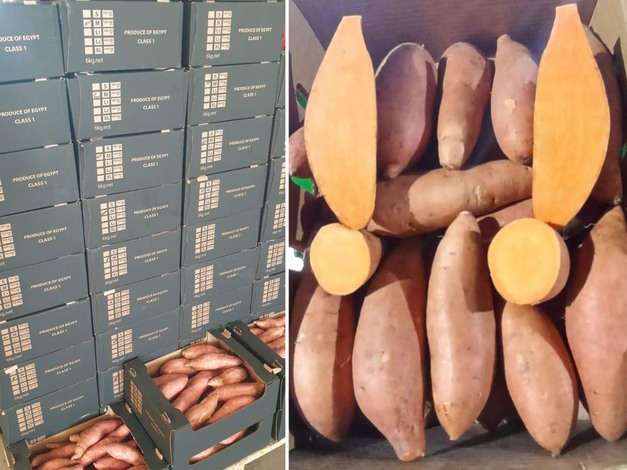
The Saudi market is all the more important to us that we have appointed a manager specifically in charge of developing it, and I believe that my colleague Nevenka Škorić will do an excellent job in this position. Royal Foods is recognized as a reliable supplier of high-quality fresh fruit and vegetables, and we are interested in potential Saudi buyers who are interested in a regular supply of fresh produce, and for instance, sweet potatoes."
Good winds are blowing for Egyptian sweet potato exporters, as competition is rather calm. Abdullah explains: "Egypt's main competitors in the sweet potato industry are the United States and Spain. Due to adverse weather conditions in these countries, the harvest was lower and volumes were below demand. Over and above the production conditions experienced by the competition, Egypt has a very decisive advantage, which is lower production costs, giving exporters room to maneuver in setting prices. In addition, Egyptian sweet potatoes, thanks to the distinctive climate and excellent varieties, are a unique product, nutritionally and taste-wise rich, and unmistakably recognizable".
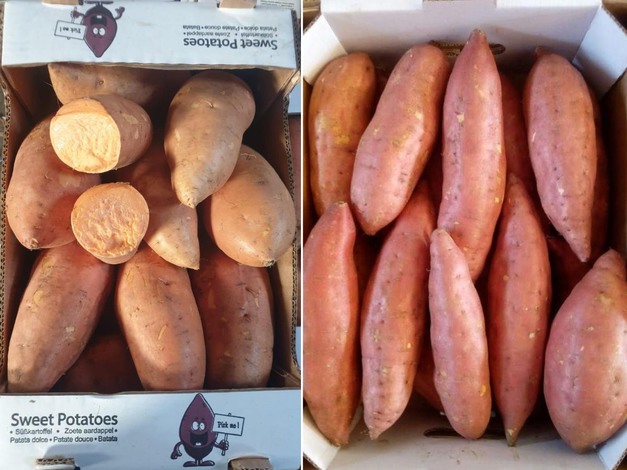
The price factor is decisive, as sweet potato prices are globally on the rise. Prices for Egyptian sweet potatoes will increase as well, says Abdullah, but will remain competitive. The exporter concludes, "End-customer prices will be higher this year, like for other fruits and vegetables, due to global inflation, exacerbated by the climate calamities around the world, which are causing an imbalance between supply and demand this year. Egyptian production costs are rising but are still lower than elsewhere, and we'll do everything in our power to keep prices under control. We're in this for the long haul, and we aim to retain the customer base we're acquiring under these conditions. We're convinced we'll succeed in this mission."
For more information:
Abdullah Elrehiewy
Royal Foods for Export
Tel: +20 111 120 1208
Email: [email protected]
Nevenka Škorić
Tel: +385 91 100 7111
Email: [email protected]
www.royalfoods.co