A calm citrus demand is typical in August, says Eddy Kreukniet of Exsa Europe. "Many people are on vacation, and then consumption drops, despite promotions. It hasn't been more or less than other years, though," he begins.
Recent citrus imports from South Africa have left something to be desired due to delays from various ports. "That's not led to huge supply gaps, but it does make managing the season interesting. Across the citrus line, the season is ahead of other years, whether it's oranges, mandarins, or lemons."
"For example, we've already received most of the lemons, and the largest volumes are on their way or have already arrived. The same goes for grapefruit. With oranges, the Western Cape region has yet to start harvesting the Midnight and Valencias, but even that season will end a week or two early," Eddy expects.
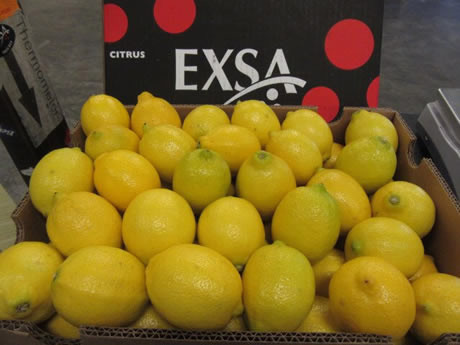
"This summer's lemon market was quite stable, both prices and quality-wise. Demand has decreased slightly in recent weeks, but I think the market has also been subject to Western Europe's moderate weather, with people putting fewer lemons in their cocktails. Now that the season's end is nearing, it should close stably."
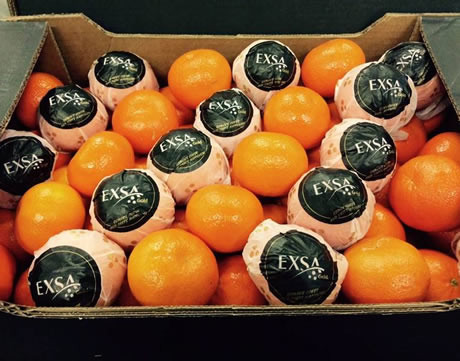
"With mandarins, we've now arrived at the best varieties, like Nadorcott, Tango, and Orri. Of those, there are far higher after-sales, with wholesale and retail customers. In a couple of weeks, when everyone gets back into the work/school pattern a bit more, those prices will probably rise a little more. Those were at very workable levels recently, even for promotions, but September and October are traditionally better mandarin months," Kreukniet says.
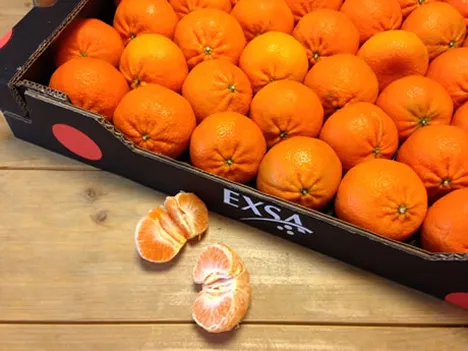
According to him, orange sales show vast differences in large and small sizes, and this year is no exception. "South Africa and Zimbabwe produce medium to large sizes and only limited smaller ones. The market is, thus, becoming more and more unbalanced, resulting in as much as a €5 difference between boxes. This should continue for some time."
"There will still be far fewer small sizes until mid-September. Some small oranges are coming from Uruguay and Argentina, but that's a drop in the bucket. Oranges in the Eastern Cape are also falling quite large. The sizes in the Western Cape are usually a bit smaller than the other production areas, but this year's rain means these, too, are larger," Eddy says.
He characterizes the grapefruit market as opaque. "At the beginning of the season, there was a bit more loading, later a bit less. On balance, we're at a similar level to last year. Other than that, there's not much happening in this market. Especially in Western Europe, consumption is stable, and it's hard to force sales, even with promotions. Fortunately, Eastern Europe remains a good buyer."
"But without retail programs, you're lost with grapefruit. Limes, on the other hand, have had a fantastic time with prices reaching double digits. The market suffered considerably from subcontracting and was supported by particularly good demand from especially America. So, prices stayed high for a long time. I think this market will become somewhat more realistic in the coming weeks as supplies increase," Eddy concludes.
 For more information:
Eddy Kreukniet
Exsa Europe
Tel: +31 (0) 887 350 003
Mob: +31 (0) 620 257 811
Email: [email protected]
Website: www.exsaeurope.com