The Spanish medlar season has started at Marni Fruit. "There are not that many importers who pick up this product, because not everyone knows what to do with it. But since we have quite a lot of ethnic customers, it has been a nice item for us to have for years. We have many customers and it is nice to be able to offer them a total assortment," says Erik-Jan Thur.
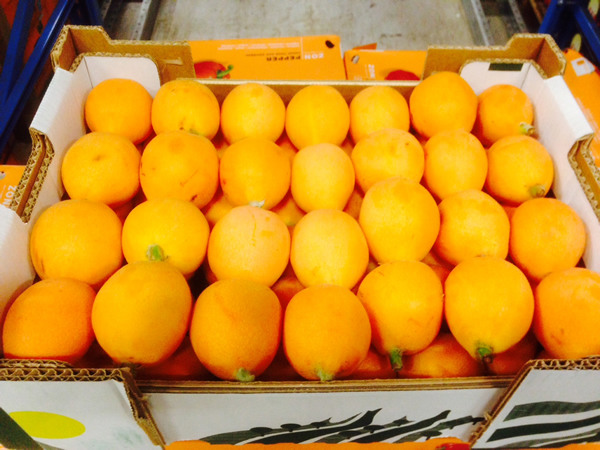
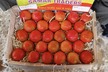
"We started this week with our suppliers, although not in large numbers yet. The season has certainly been delayed by a week or two," says the importer. "From next week onwards I also expect to be able to offer Ruchey medlars. You can see this brand as the Mercedes among the medlars and the flavor of these medlars is the most appreciated in the market."
"At the same time, the season is always short. It will be over in a month or two. That also makes it difficult to find, for example, GlobalGAP-certified suppliers, because most of them are small-scale growers and the investments are too large for such a short season. Now, that doesn't matter to this clientele. The western consumer has not yet fallen for the medlar and there is little demand for it from Dutch supermarkets or wholesalers."
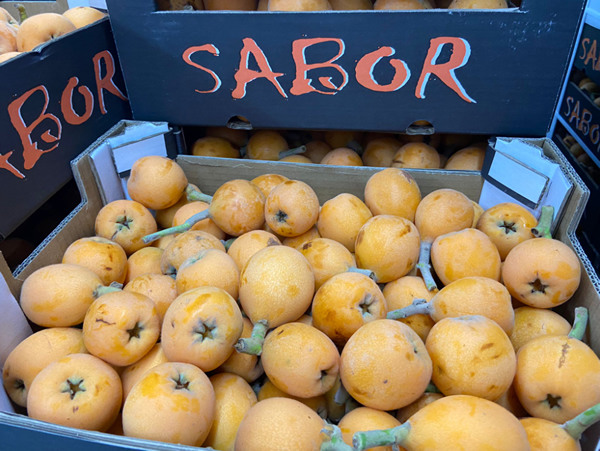
"I don't see the planting increasing, the mispels have been quite a stable product over the years. We now receive them from Almeria and Murcia. We pack the double G and single G sizes in 7kg plastic and the Ruchey medlars in wooden packaging. Before Easter, the price of the medlars went up to a kilo price of €4.50 for the double G and €3.20 for the single G. Now we are at a price level of around €2.60 to €2.75 delivered to the Netherlands," says Erik-Jan.
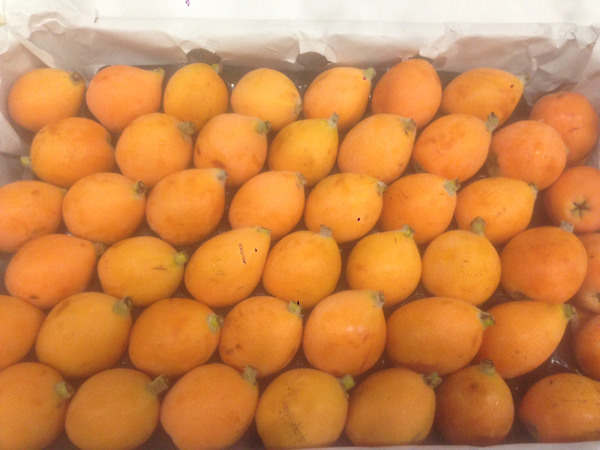
According to Erik-Jan, the Dutch expression 'as rotten as a medlar' does justice to the product. "The riper the medlar, the better it is to eat. Of course, everyone prefers a product without peel damage, but this is almost non-existent with medlars. That's why the price difference with class II is not as big as with other class II products. At the same time, medlars have enormous potential, as they can be used to make jam and liqueur. "
Although transport costs from Spain are still at a high level, the strikes are now in the past. "So you can load what you want, but you have to pay for it. This also applies to pallets and packaging, for example. But well, everyone has to deal with that," says Erik-Jan.
The importer is holding his breath when it comes to the supply of Spanish stone fruit. "If you see that it has been snowing this week in Northern Spain, the supply will be considerably lower. There is talk of 50% failure. But much is still unclear. One supplier, for example, says that he has come through the frost reasonably well, but that he can only really take stock once the peaches, paraguayos, and nectarines have come out of blossom. But that it will be another interesting season is certain!"
For more information:
Erik-Jan Thur
Marni Fruit BV
Gebroken Meeldijk 52
2991 VD Barendrecht
[email protected]
www.marnifruit.com