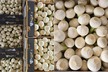
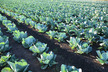
Farmers in the temporarily occupied territories of Ukraine are facing increasing pressure in the vegetable sector due to disrupted logistics, limited market access, and a lack of storage and processing infrastructure. According to EastFruit, some producers are being forced to destroy part of their vegetable harvests because sales have become economically unviable.
SEEDS, citing the National Resistance Center, reported that transport disruptions are among the main challenges. Trucks transporting vegetables toward temporarily occupied Crimea are reportedly waiting at checkpoints for up to three days. For fresh produce, these delays reduce marketable quality and increase the risk of spoilage before the products reach buyers.
Transport costs are also affecting returns. In some cases, logistics expenses exceed the expected income from sales, turning harvested volumes into a financial burden for growers.
The situation is further complicated by the limited availability of storage, refrigeration, and processing facilities. Without these options, producers are unable to extend shelf life, maintain quality, or redirect excess volumes to alternative sales channels.
Despite oversupply at the farm level, retail vegetable prices in the occupied territories remain high. According to the report, intermediaries, disrupted supply chains, and broader market instability continue to affect consumer pricing. Combined with low purchasing power, this is adding pressure to local markets.
Growers are also facing competition from lower-priced vegetables imported from Russia. This is weakening the position of local producers and increasing the risk that part of the vegetable sector could be reduced or abandoned.
According to EastFruit, ongoing losses and the lack of stable legal sales channels could also affect the next planting season. If current conditions continue, production capacity and supply chains in the occupied territories may deteriorate further, with recovery after de-occupation expected to require time and investment.
Source: EastFruit