CABI and SNV Ethiopia are expanding Integrated Pest Management (IPM) and biocontrol adoption through the Horti-LIFE III project, aimed at reducing pesticide reliance among smallholder horticulture growers in Ethiopia.
The project, funded by the Embassy of the Kingdom of the Netherlands in Ethiopia, targets more than 250,000 farmers across 165 districts. The initiative focuses on improving food safety, reducing pesticide use, and supporting sustainable pest management practices.
As a technical partner, CABI is developing 10 crop-specific IPM protocols covering six vegetables and four fruit crops, including avocado, mango, papaya, tomato, banana, cabbage, onion, pepper, potato, and green beans. The protocols integrate biological control approaches where applicable.
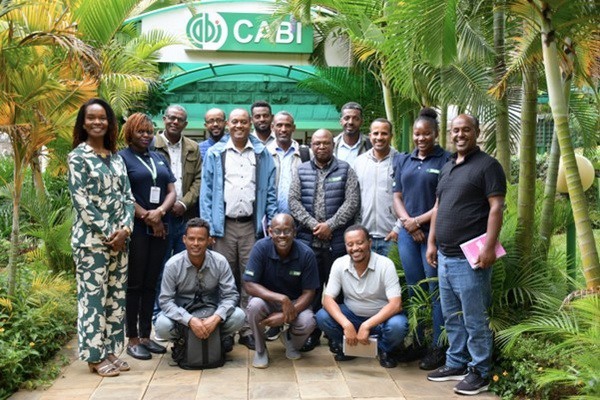 © CABI
The organisation is also preparing extension materials in local languages, training 107 Master Trainers, and supporting monitoring and evaluation activities.
As part of the programme, CABI conducted a workshop in Bishoftu involving representatives from SNV Ethiopia, the Ministry of Agriculture, Ethiopian Horticulture Producer Exporters Association, Ethiopian Agricultural Authority, WorldVeg, and PAN Ethiopia to review and refine the protocols.
Once finalized, the protocols are expected to reduce pesticide use by 50% in selected Farmer Field Schools while supporting compliance with food safety standards.
CABI also hosted 10 SNV Ethiopia Master Trainers in Kenya for practical training focused on IPM and biological control. Participants visited institutions including the Crop Protection Biological Control Laboratory at the Kenya Agricultural and Livestock Research Organisation (KALRO), Real IPM, the International Centre of Insect Physiology and Ecology, Kenya Biologics, and Koppert Kenya.
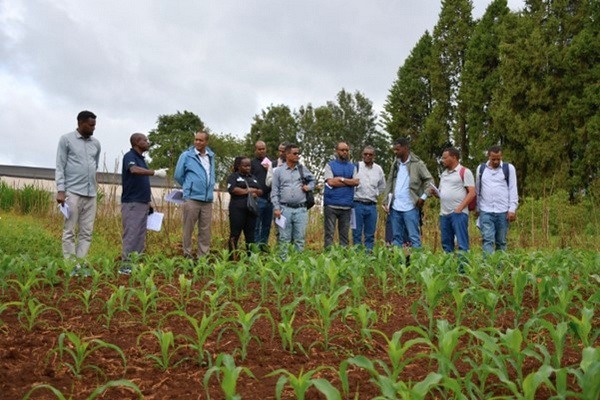 © CABI
The visits focused on biological control systems, including work on papaya mealybug management, microbial technologies, and invasive pest control.
"Africa continues to face growing challenges from pests, diseases, residue management, resistance development, and market access requirements. Non-compliance with residue levels can lead to product rejection, impacting farmer incomes. Biopesticides offer practical and environmentally responsible solutions that support productivity, protect health, and facilitate trade," said Dr Daniel Karanja, Regional Director, CABI.
"This is a strong example of how regional collaboration can accelerate transformation in horticulture," said Dr Andnet Bayleyegn, Deputy Project Leader at SNV – HortiLife III Ethiopia.
He added that master trainers play a role in transferring IPM and biocontrol knowledge to growers and other stakeholders across Ethiopia's horticultural sector.
According to the project partners, the next phase includes protocol validation, translation, and implementation across target districts.
 For more information:
Tamsin Davis
Cabi
Tel: +44 (0) 1491 832111
Email: [email protected]
www.blog.cabi.org