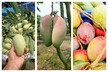
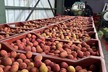
Malaysia's durian sector is under pressure as an early harvest coincides with higher fuel and freight costs, affecting export margins to China. Warmer weather has advanced harvest timing, increasing supply while packaging, energy, and transport costs rise.
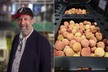
For growers, the increase in volumes is creating pressure across the supply chain. Stephen Chow, director of Chow Kai Pheng Enterprise, exports durian from his 10 hectare farm in Pahang to China and Hong Kong. He said growers are reducing costs and limiting waste to maintain operations. Packaging and logistics previously accounted for about 20 per cent of export revenue, but this could rise to as much as 50 per cent.
"We didn't expect the war to impact us this badly," Chow said. "We are trying not to shift the costs to consumers."
China remains the largest market for durian, importing about US$7 billion worth in 2024, up from 2020 levels, with supply from Thailand, Vietnam, Malaysia, and Laos. However, increased supply is affecting prices. Musang King, Malaysia's main export variety, has declined from about US$18 per kilogram last year to around US$5 in recent weeks, with further pressure expected as harvest volumes increase.
Malaysia's export model is based on quality, branding, and cold-chain logistics rather than volume. "We position Musang King in the premium market and we need to maintain that, so in the long term we need to develop this segment instead of competing," Chow said.
Industry sources indicate that this model is more exposed to external pressures. Malaysia's durian exports depend on rapid delivery, with fresh fruit required to reach China within 48 to 72 hours. Rising fuel and transport costs are limiting flexibility.
"Exporters either have to absorb the increase or pass it down the chain, which is not always easy," said Lim Chin Khee. "Compared to Thailand, Malaysia already operates at a higher cost structure, so any increase in logistics costs tends to hit harder."
Malaysia exported 115,359 tons of durian to China worth about US$1.61 billion between 2018 and June 2025. By comparison, Thailand exported over 900,000 tons in 2025 worth about US$4.69 billion.
"If air freight becomes too expensive or less reliable, exporters may reduce shipments or shift more volume into frozen products, which generally fetch lower margins," Lim said.
Some supply is being redirected to domestic markets and Singapore. Industry participants are also exploring diversification into other regions and processed products.
"We need to make durian as a common flavour like chocolate, vanilla and strawberry and we have barely tapped into this segment with our durians," said Eric Chan.
"We are in survival mode, we are cutting costs and we hope the government can help with some relief to help farmers get through this period," Chow said.
Source: South China Morning Post