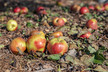
Weather volatility is affecting horticulture across India, with snowfall in April, hailstorms, prolonged rainfall, and temperature drops impacting Himachal Pradesh's apple belt during peak bloom. Scientists describe the situation as recurring for a third consecutive year, with orchardists monitoring ongoing risks to production.
Hailstorms have damaged anti-hail nets and disrupted flowering and pollination. "This is a situation very harmful to the orchards, both apples and stone fruits. Initially, we thought the rains would bring some soil moisture to neutralise the drought effect, but excess rains and hail have created an added problem," said Dr. S.K. Bhardwaj of Dr. Y. S. Parmar University of Horticulture and Forestry. Low temperatures, strong winds, and rainfall are affecting pollen germination and fruit set.
Cold conditions across areas, including Shimla, Rohru, Kotkhai, Matiyana, and Kotgarh, have slowed orchard development, while landslides have disrupted access in parts of Chamba and Lahaul and Spiti. Meteorological warnings indicate continued risk of hailstorms, thunderstorms, and rainfall through mid-April.
Earlier temperature increases also disrupted chilling hour requirements, while rainfall deficits of up to 99 per cent were reported. "Erratic temperature patterns, inadequate chilling hours, and untimely rains during the flowering and fruit-setting stages have adversely affected productivity. Additionally, extreme events such as hailstorms, strong winds, and prolonged dry spells are further compounding losses, posing serious challenges to both yield stability and growers' livelihoods."
At the same time, government policy is focusing on horticulture development. NITI Aayog has proposed 'Operation Golden Greens' to support the production and exports of apple, walnut, almond, and saffron in Jammu and Kashmir. The plan includes phased implementation from 2026 to 2047, with measures covering dry fruits, fresh fruits, vegetables, floriculture, and minor crops.
The report highlights the need to improve domestic production, reduce post-harvest losses, expand storage and cold chain infrastructure, and promote high-density apple plantations. The fruit cultivation area has expanded from 1.31 lakh hectares in 1980 to 3.44 lakh hectares in 2022, while production increased from 5.6 lakh tons to 27.22 lakh tons. Productivity rose from 4.3 tons per hectare to 7.91 tons per hectare over the same period.
In Maharashtra, unseasonal rainfall and hailstorms have damaged crops across more than 1.14 lakh hectares, affecting around 1.65 lakh farmers between March 19 and April 2. Nashik district recorded the highest impact, with crop losses on 58,928 hectares. Onion crops were most affected, with damage on nearly 44,000 hectares, alongside vegetables, pomegranate, and banana.
Jalgaon and Dhule districts also reported widespread damage, while assessments are ongoing to determine compensation for affected growers.
Sources: Outlook / rediff / The Times of India