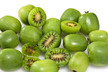
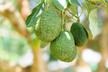
A fruit related to the kiwiberry, known as "Sarunashi" (Actinidia arguta), is being studied for its potential role in early cancer-related processes. Researchers at Okayama University investigated its effects in lung cancer models, where smoking-related compounds are a primary risk factor.
In a study published in Genes and Environment, juice from the fruit reduced lung tumor formation in mice exposed to NNK, a tobacco-related carcinogen. The number of tumor nodules in the lungs was also lower. Isoquercetin (isoQ), one of the fruit's compounds, showed similar effects. In cell-based analysis, the juice suppressed "Akt," a protein involved in cancer growth, indicating effects on both initiation and progression stages.
The research also examined DNA-level responses. Sarunashi juice reduced the DNA-damaging effects of NNK and MNNG, both associated with mutations. This effect was not observed in models lacking DNA repair enzymes, indicating a link to cellular repair mechanisms rather than direct shielding.
Dr. Arimoto-Kobayashi said, "In this study, we sought to investigate the chemopreventive effects of A. arguta juice and its constituting component isoQ on 4-(methylnitrosamino)-1-(3-pyridyl)-1-butanone (NNK)-induced lung tumorigenesis in A/J mice, and identify the possible mechanisms underlying the anti-tumorigenic effects of A. arguta."
A follow-up study evaluated tea made from the leaves and twigs of A. arguta. The tea showed antimutagenic activity in the Ames test against compounds including aflatoxin B1, benzo(a)pyrene, MeIQx, Trp-P-2, and PhIP. The effect was lower than that observed with the juice, indicating lower concentrations of active compounds.
In colorectal cancer models, mice treated with DMH showed a reduction in aberrant crypt foci after exposure to Sarunashi tea. The total count declined to 60.5 per cent compared to untreated models, with fewer, smaller lesions also recorded. No colon tumors were observed during the study period.
Co-author Katsuyuki Kiura stated, "Sar-j and isoQ reduced NNK-induced lung tumorigenesis. Sar-j targets both the initiation and growth or progression steps during carcinogenesis, specifically via anti-mutagenesis, stimulation of alkyl DNA adduct repair, and suppression of Akt-mediated growth signaling. IsoQ might contribute in part to the biological effects of sar-j via suppression of Akt phosphorylation, but it may not be the main active ingredient."
The findings show that oral administration of sar-j reduced lung tumor development in mice. Further research is required to assess potential applications, with the results indicating possible use of compounds from A. arguta in prevention-related studies.
Source: SciTechDaily