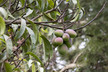
The mango sector in Pakistan is facing production challenges this season, with climate conditions affecting the output of the Summer Bahisht Chaunsa variety in South Punjab.
Growers in Rahim Yar Khan, Multan, Muzaffargarh, and Khanewal report crop damage following temperature fluctuations during the early stages of the season. According to farmers, a rise in temperatures in the first week of March disrupted flowering and fruit set. Although trees produced a high level of blossom, the conversion into fruit was limited.
Experts link the issue to reduced cross-pollination, as unstable weather conditions affected the pollination cycle.
"As the temperature suddenly increased, the flowering appeared healthy, but the conversion into fruit was badly affected," said local farmer Shahid Hameed Bhutta. "Instead of developing into mangoes, a large portion of the blossom turned into 'bator', a harmful formation that does not produce fruit and continues to damage the plant."
Farmers describe "bator" as a condition that forms dense clusters, restricting fruit development and creating conditions for pest activity. These clusters can increase in size and affect future production cycles.
Weather variability, with shifts between heat and cooler conditions, has also led to pest pressure, particularly from mango hoppers. These pests are reported to increase under unstable conditions.
"The impact of climate change is now clearly visible," Bhutta said. "Even with expensive pesticide sprays, it becomes difficult to control these pests once they settle inside affected clusters. This not only reduces production but also damages the quality of mangoes meant for export."
South Punjab remains a key mango-producing region in Pakistan, with Rahim Yar Khan, Multan, Muzaffargarh, and Khanewal accounting for a large share of national output. The sector supports employment across production, handling, and export activities.
Source: The Express Tribune