The Guatemalan banana sector continues to strengthen its position in the international market, especially in Europe, where some producers have increased their presence in recent years in the framework of a commercial diversification strategy.
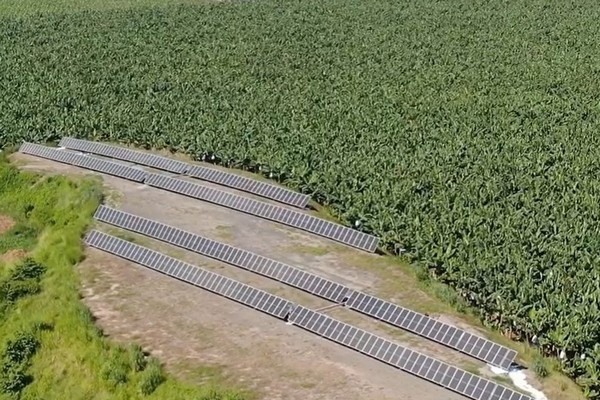
One of these is Grupo Hame, a family-owned Guatemalan agribusiness that has been producing bananas since 1990. The company currently has around 11,000 hectares devoted to banana cultivation, as well as some 1,100 hectares for plantains.
 © Grupo Hame
"We are a family business. We have been producing bananas since 1990 and currently have 11,000 hectares planted," says Pietro Cipriani, the group's representative.
The main destination for the group's Guatemalan bananas has traditionally been the United States; however, since 2020, the company has been gradually expanding its presence in the European market.
"In 2020, we started to diversify, and we have been growing little by little in the European banana market," says Cipriani. The company currently exports to countries such as Spain, Germany, the UK, and Poland, and has had operations in other Eastern European markets.
In terms of volume, the group produces around 700 containers of bananas per week. Of that total, about 150 containers per week are intended for the European market. The entire production consists of conventionally-grown fresh Cavendish bananas. As of yet, there are no commercial organic banana plantations in Guatemala.
The development of the European market has also brought logistical challenges. While transport to the United States can be completed in just two days, shipments to Europe need to be in transit for around 20 days. "From an operational point of view, the main difference between the U.S. and Europe lies in logistics," says Cipriani.
 © Grupo Hame
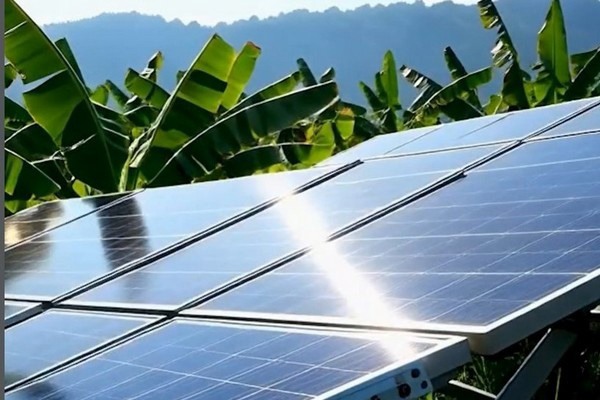
Besides the logistics, exporters must also adapt to different regulatory requirements. In Europe's case, regulations involve not only certifications, but also specific restrictions on permitted molecules and phytosanitary products.
In addition to these factors, there is growing pressure on sustainability and working conditions, which are not always reflected in the product's price.
"An issue we have is that the ever-increasing demands on the producer are not reflected in the price," says Cipriani. New regulations, quality standards, and debates about wages in the supply chain are putting producers under growing pressure.
As for new destinations, Asia remains an elusive market for Guatemalan bananas due to current logistical constraints.
"We'd love to be able to bring Guatemala's quality to Asia, but we are currently unable to access that market due to logistical issues," says Cipriani.
 For more information:
Pietro Cipriani
Grupo Hame
Guatemala
Tel.: +502 4598 1457
[email protected]
https://grupohame.com/es/