For many decades, California has been home to a close-knit pear growing community with most farms having been in the same family for six generations. The industry used to be in a sweet spot, hitting the market during months when the Pacific Northwest was absent. However, changing market conditions have put a lot of pressure on the California pear industry. "The last three years have been particularly tough on growers," says Chris Zanobini, Executive Director of the California Pear Advisory Board.
 © California Pear Advisory Board
Imports from Argentina
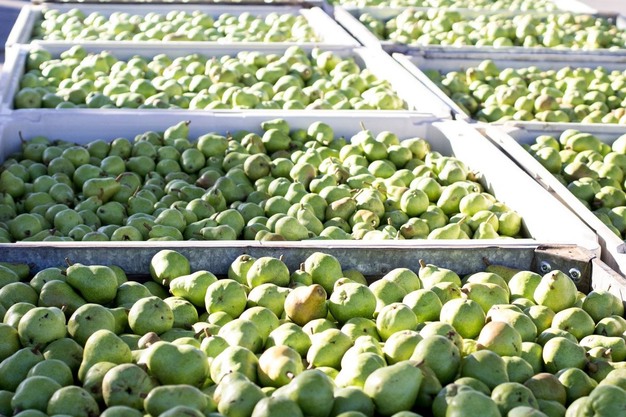
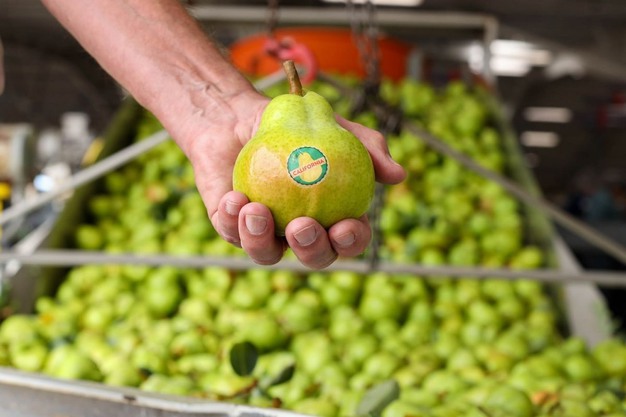
Headwinds started with an influx of pear imports from Argentina. In the past 10 years, imports from Argentina have doubled and last year, there was a flood of Argentinean pears right when California pear growers started harvest. Argentina competes directly with Bartlett and Bosc pears from California but offers fruit at much lower prices. This had a very significant impact on getting California pears on retail shelves. A large, national retail chain had planned a promotion, featuring early California pears, including a price premium. However, they pushed back their campaign by six weeks. "This severely impacted distribution and pricing as California pear growers lost both the sales and the premium during the early season."
Some shippers from Argentina use 1-MCP to delay the ripening process, giving them an even longer window to ship. "Roughly 70 percent of Argentine pear imports now arrive in April and May right as California growers prepare to ship their first fresh fruit," commented Zanobini.
 © California Pear Advisory Board
Reduced acreage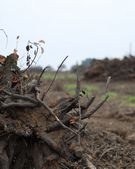 © California Pear Advisory BoardDue to these headwinds, the California pear industry has been loss-making for the past few years and because of the gloomy outlook, some growers were forced to make tough decisions. About 800 acres of pear trees were pulled in the past two years, being replaced with other crops. However, there is also good news. "On the positive side, the competition with imports has opened the door for conversations with Argentina," Zanobini mentioned. Last year, they didn't have a good experience shipping to the U.S., and they don't want to repeat that this year.
Cannery closure
On top of the challenges with pear imports from Argentina, the bankruptcy of Del Monte Foods is another blow to the industry. While all assets were up for sale, the cannery wasn't sold and it closed as a result. This means that there is just one cannery left, owned by Pacific Coast Producers (PCP). From five canneries twenty years ago, the produce industry is down to one cannery today. "It is my understanding that PCP has picked up a significant share of the tonnage of Del Monte Foods," said Zanobini. "While some growers have been awarded a contract, others are still waiting." This is causing uncertainty for growers as the cannery is crucial for fruit that doesn't make it into the fresh market.
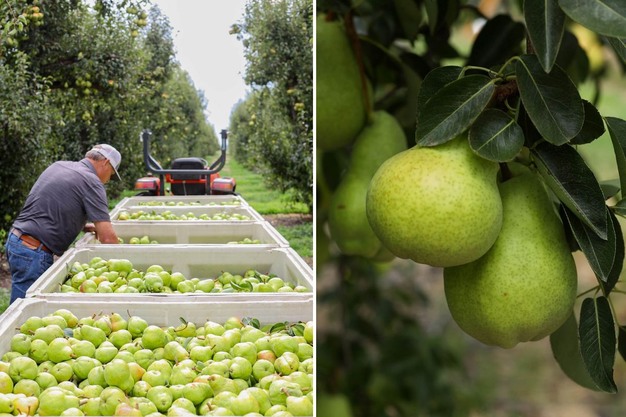
California pears are grown by about 60 growers, most of them being multi-generational family farms located in the Sacramento Delta region as well as Lake and Mendocino County. California pears are available in the market between July and October and shipped nationwide. In addition, they are exported to Canada, Mexico, and some Central American countries.
 © California Pear Advisory Board
 For more information:
Chris Zanobini
California Pear Advisory Board
Tel: (+1) 916-441-0432
[email protected]
www.calpear.com