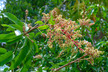
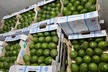
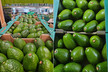
As India gears up for the 2026 mango season, growers and exporters face a tricky mix of challenges and openings. Yashraj Phatak, a third generation alphonso farmer, Director at ShivKonkan Farmer Producer Company and Partner at Shreevali Agro shares an orchard-level view: "We are based in Sindhudurg, which is Maharashtra's premium mango heartland representing GI certified farmers with full traceability via MangoNet registration. Overall average production in the Konkan belt is estimated to be significantly lower than a normal year at around 20% of full capacity due to uneven flowering and reduced fruit setting."
 © Shreevali Agro
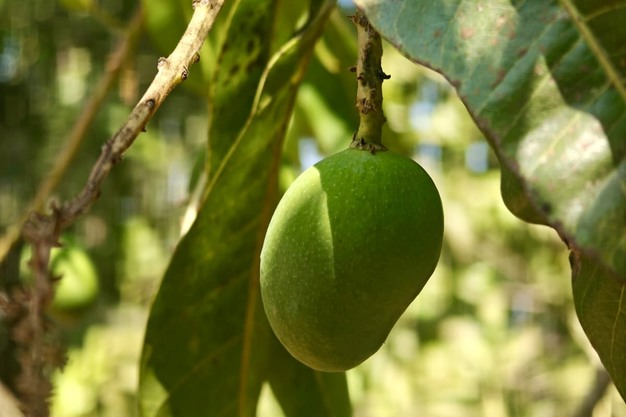
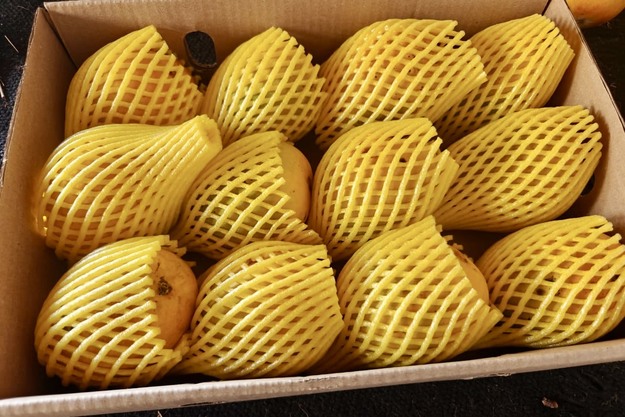
The season kicks off regionally, starting mid-March from the Konkan areas with Alphonso. "Volumes are super low right now, where APMC markets saw just 80 to 120 petis or 5 dozen boxes versus the usual 1,000 to 2,000 during Second week of February. The fruits are at golf ball size in Devgad, Malvan, Vengurla, Ratnagiri, Rajapur, and Raigad, so commercial harvests will hit around Gudi Padwa in Week 12, if the weather cooperates. Southern Badami or Karnataka's Alphonso follows suit, then Gujarat's Kesar peaks late May-June, and Uttar Pradesh's Langra and Chausa wrap it up northward." Overall, the quality of alphonso looks solid in terms of aroma, taste, and Brix at around 20-22.
 © Shreevali Agro
ShivKonkan FPC along with Shreevali Agro just hosted a GI MangoNet workshop drawing 150 Sindhudurg farmers with average 1.5 acre holdings, all reporting lighter yields. Phatak says their export push centers on Alphonso, but they also handle Kesar and Badami through sister FPOs. "We actively focus on enhancing farmer quality standards, strengthening certifications, improving post-harvest management practices, reducing wastage across the value chain, and ensuring better value realization for farmers."
 © Shreevali Agro
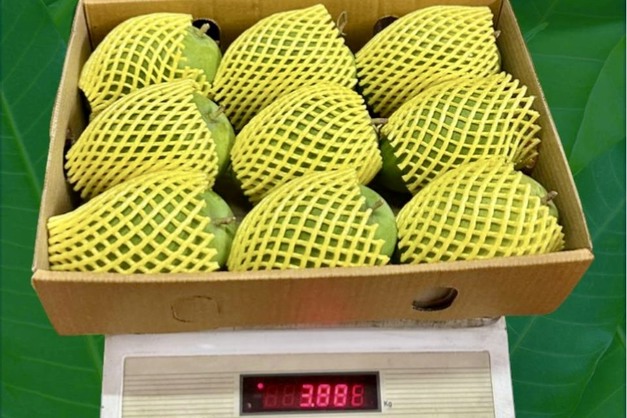
Top destinations include the US, Europe, UK, New Zealand, Australia, GCC, and Southeast Asia. ShivKonkan FPC with Shreevali Agro aims to steady existing channels while ramping Japan and South Korea's high-compliance markets that align with their standards. "Tariff reliefs offer tailwinds, but EU benefits remain limited, keeping the emphasis on rigorous phytosanitary protocols, residue monitoring, traceability, and precise documentation. For the US, exporters must secure accurate Certificates of Origin to unlock duty savings. Documentation is key," Phatak stresses, with no major hurdles foreseen given their systems.
With low early volumes, especially premium Alphonso, exports will feel the pinch. "Pricing should stay firm to high in March April from scarcity, with GI tags earning premiums. May could stabilize if rains hold off, and mid season bumps might balance the slow start, but overall tightness beats normal years," Yashraj concludes.
For more information:
Yashraj Phatak
Shreevali Agro
Tel: +91 - 8652786572
Email: [email protected]
www.shreevaliagro.com