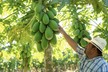
Ghana's coconut sector is examining how to move from expanded cultivation to processing, manufacturing, and export activities. The country currently generates about US$12 million annually from coconut exports, with most shipments consisting of unprocessed nuts.
Global markets for coconut-based products such as virgin oil, bottled water, cosmetics, coir fibre, and activated carbon represent a larger value segment than raw coconut sales. These processed products typically generate higher margins than exports of whole nuts.
Coconut cultivation in Ghana has expanded following the distribution of three million elite seedlings under the government's agricultural program. As planting areas increase, attention within the sector has shifted toward value capture across the supply chain.
Processing capacity remains one of the main considerations. Exporting raw coconuts limits revenues to farmgate prices, while further processing stages often take place in foreign markets. Oil refining, water packaging, and cosmetic ingredient production typically occur outside the country. Developing processing plants capable of meeting international food safety, cosmetic and industrial standards is viewed as a requirement for participation in higher value segments.
Manufacturing capacity is another factor within the value chain. Virgin coconut oil is used in health and beauty markets, while activated carbon produced from coconut shells is used in water filtration and industrial purification. These applications require specialized equipment, quality control systems, and certification for export markets.
Market access is also part of the supply chain structure. Coconut products compete in international markets based on traceability, branding, and regulatory compliance. Export logistics, quality assurance systems, and trade finance conditions can influence market entry and pricing.
Coordination across the value chain is also discussed within the sector. Farmers require predictable purchase agreements, while processors need consistent raw material supply and reliable power infrastructure. Exporters depend on stable logistics and foreign exchange conditions. Disruptions in any of these elements may affect margins along the chain.
These topics are expected to be discussed during an upcoming X Space event titled "Cashing In on Coconut: Building Profitable Businesses Across the Coconut Value Chain." Industry participants are expected to examine investment structures, processing capacity, financing models, and approaches aimed at developing a regional manufacturing base.
Timing is also a factor for the sector. Coconut trees begin producing fruit after about three years and can remain productive for decades. If processing capacity does not expand alongside production volumes, increased supply could place pressure on farmgate prices.
Industry discussions, therefore, focus on whether Ghana can expand processing facilities, secure export contracts, and develop a value-added coconut industry connected to global consumer and industrial markets.
Source: The High Street Journal