For quality managers, measuring and controlling the firmness of a fruit or vegetable's pulp is crucial for determining its shelf life. Despite the introduction of non-damaging technologies for measuring fruit ripeness, this measurement still relies on instruments that have been used for years, such as penetrometers and hardness testers.
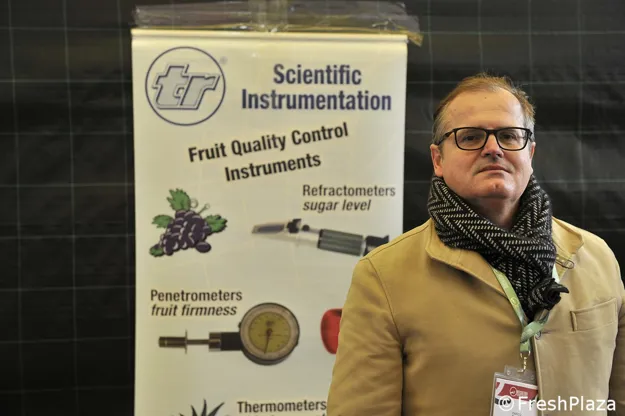 © Cristiano Riciputi | FreshPlaza.comEnrico Turoni
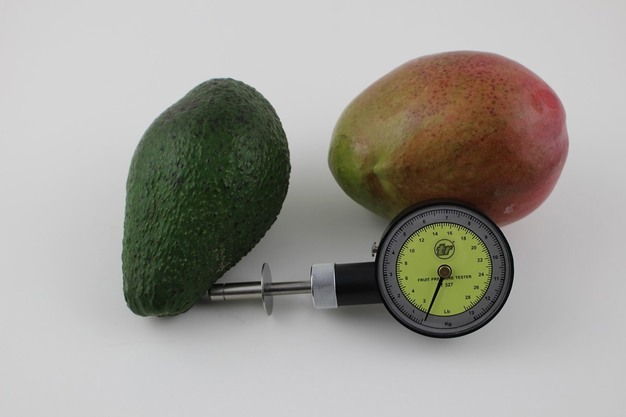
This parameter is usually measured using a penetrometer. The penetrometer is very simple to operate: It measures the pressure needed to push a tip into the pulp of a fruit. This instrument is widely used to test tropical fruits, such as mangoes and avocados, as well as apples, pears, peaches, nectarines, and kiwis, during harvest.
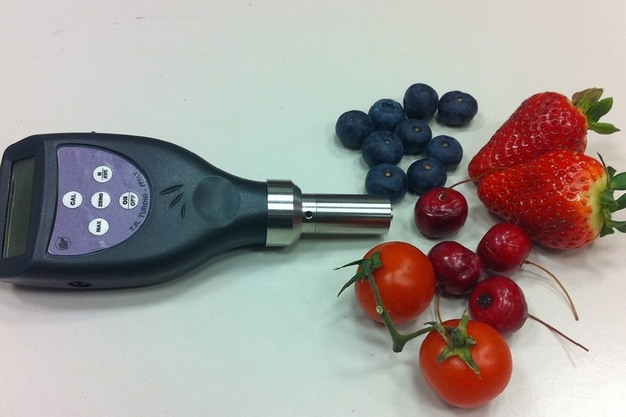
Enrico Turoni of TR Turoni says, "Durometers have been used for some years now to measure blueberries, cherries, tomatoes, and table grapes, which do not have the right characteristics to be measured with a penetrometer. These instruments determine the hardness and elasticity of the pulp. Pulp hardness is an important quality indicator for these fruits because most consumers appreciate crispness at the moment of consumption."
Durometers simulate the pressure of a finger on fruit flesh without damaging it and provide the corresponding measurement. This technology does not have to be expensive or complicated. Sometimes, simple tools can be helpful in everyday work. Penetrometers and digital hardness testers allow for quick and easy measurement and control of pulp hardness from harvest to point of sale.
For more information:
T.R. Turoni srl
Via Copernico, 26
47122 Forlì - Italy
+39 0543 724848
[email protected]
www.trturoni.com