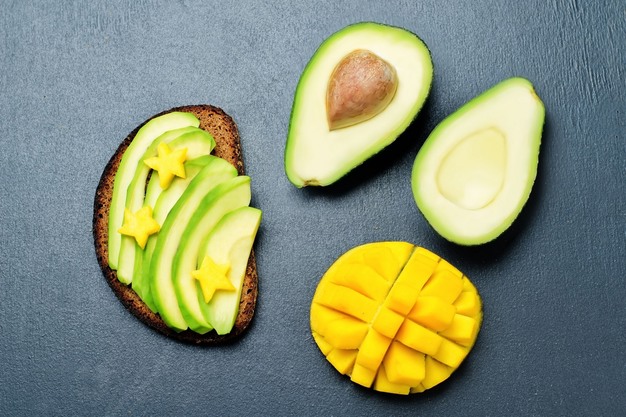
A new study published in the Journal of the American Heart Association examined the impact of adding fresh fruit to the diet of adults with prediabetes. For the one in three Americans, or approximately 98 million people, living with prediabetes, researchers assessed whether a daily combination of one medium Hass avocado and one cup of fresh mango could influence markers of cardiovascular health.
The study, conducted by researchers at the Illinois Institute of Technology, assigned adults with prediabetes to follow an Avocado-Mango diet for eight weeks. Participants added one avocado and one cup of mango to their daily meals and snacks. A calorie-matched control group consumed comparable carbohydrate-based foods instead. Calorie intake and body weight remained unchanged in both groups.
 © The National Mango Board
Participants in the Avocado-Mango group recorded improvements in blood vessel function and diastolic blood pressure compared with the control group.
Flow-mediated dilation, a measure of endothelial function, increased to 6.7% in the Avocado-Mango group, while it declined to 4.6% in the control group. Diastolic blood pressure improvements were also recorded, particularly among men. In the control group, men experienced an average central blood pressure increase of 5 mmHg, while those in the Avocado-Mango group saw a reduction of approximately 1.9 mmHg.
"This research reinforces the power of food-first strategies to help reduce cardiovascular disease risk, particularly in vulnerable populations like those with prediabetes," said Britt Burton-Freeman, PhD, Principal Investigator and Professor at Illinois Tech. "It's an encouraging message: small, nutrient-dense additions—like incorporating avocado and mango into meals and snacks—may support heart health without the need for strict rules or major dietary overhauls."
The Avocado-Mango group also showed increased intake of fiber, vitamin C, and monounsaturated fats. The estimated glomerular filtration rate improved among participants. No statistically significant differences were observed in cholesterol, blood sugar, or inflammation markers.
Mango provides 2 grams of fiber per ¾ cup serving, and 50% of the daily value for vitamin C. Avocado provides 3 grams of fiber per 50-gram serving, 6 grams of unsaturated fats, and 250 milligrams of potassium.
The study was supported through an unrestricted grant from the National Mango Board and the Hass Avocado Board. According to the authors, the boards had no role in the study design or findings.
For more information:
National Mango Board
Tel: +1 407 629 7318
www.mango.org