After a complex 2025 marked by climate impacts and reduced volumes, Costa Rica's banana sector is showing signs of recovery, according to Marcial Chaverri of the National Banana Corporation (Corbana). "We will close with a decrease in boxes and unquestionably a lower percentage in sales, around 11% compared to 2024," he says. Despite this decline, international demand continues to exceed supply. "Costa Rican bananas normally are not sufficient to meet the market's demand," he notes, adding that 100% of the fruit is still sold and placed in markets.
 © Corbana
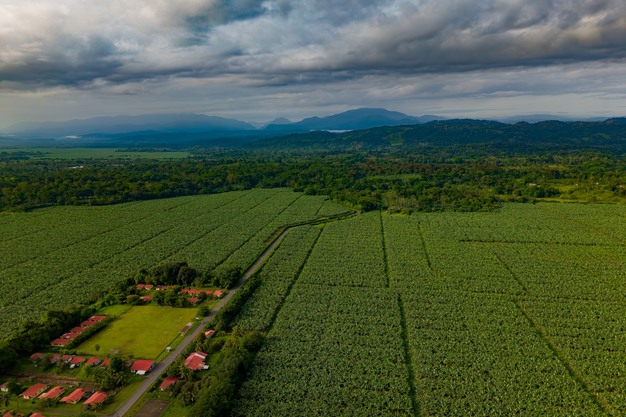
The recovery has prompted the sector to resume expanding production area for the first time in two decades, alongside plantation renewal aimed at boosting yields in the coming years. However, profitability remains under pressure. Labour, logistics, and social costs are rising, while supermarket prices in some destinations remain very low. "There is a lot of discourse about sustainability, the environment, and labour standards, but that discourse is not being reflected in the price," Chaverri states. Certification requirements have also multiplied, with some companies managing up to 16 certifications to access different markets.
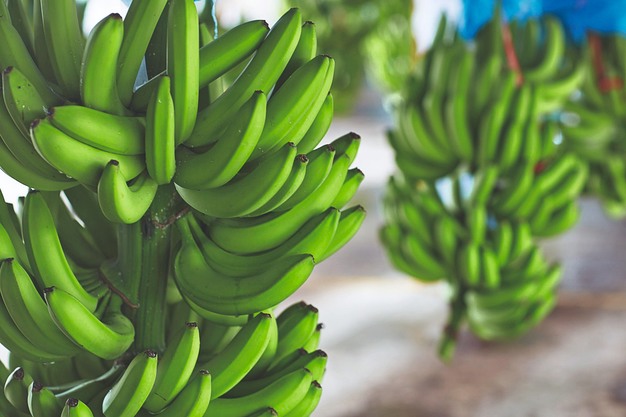
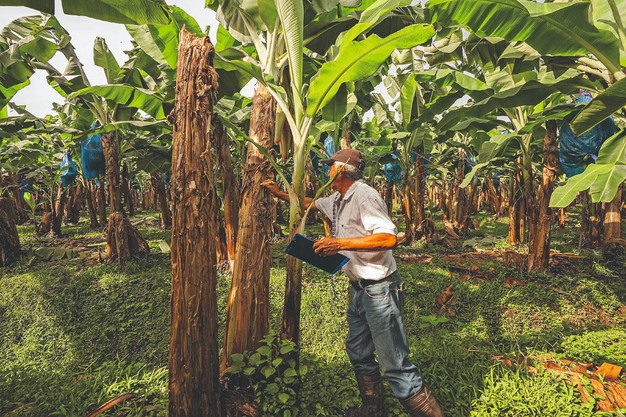
Despite adverse weather in early 2025, the sector managed to maintain fruit quality, yield stability, and supply consistency. Quality remains a key differentiator, supported by strict traceability and control systems. Chaverri highlights that "for more than 15 years, we have not had a single rejection in any market due to traceability, environmental control or maximum residue limits," backed by extensive environmental and labour audits across the industry.
 © Corbana
Europe and the United States remain the main export destinations, but Costa Rica is actively diversifying geographically. Growth opportunities are emerging in the Nordic countries, Eastern Europe, the Caribbean, South America, North Africa, the Middle East, and Asia. "Part of our strategy is to diversify both markets and segments to guarantee business continuity," he explains.
The industry has also reinforced biosecurity measures following the presence of Fusarium R4T in Ecuador. Preventive protocols are coordinated with national authorities, while research and field trials are ongoing to develop tolerant or resistant varieties. "Even if a variety is resistant, if it is not palatable, it is not useful to us," Chaverri says, emphasizing the importance of consumer acceptance.
 © Corbana
Costa Rica continues to position itself as a competitive banana origin due to productivity, quality, and strong social and environmental standards under the "Essential Costa Rica" brand. Nevertheless, structural challenges persist, particularly labour shortages, as younger generations are less willing to work in agriculture. As a result, technology is gaining importance, with increased automation in packing facilities, more efficient water use, and widespread adoption of drones. Looking ahead, the sector's long-term sustainability will depend not only on diversification and innovation but also on fairer pricing across the value chain.
For more information:  © Corbana
Marcial Chaverri
National Banana Corporation (Corbana)
Costa Rica
Tel.: +506 4002 - 4700
[email protected]
www.corbana.co.cr