The first strawberries of the 2025/2026 season are appearing in Lepe, Huelva, after overcoming weather challenges.
"The season began with high technical demands due to adverse weather, mainly high temperatures during sowing and storm Claudia," stated David Vélez, technical manager of Plus Berries, which is starting its new strawberry season with 10 more hectares.
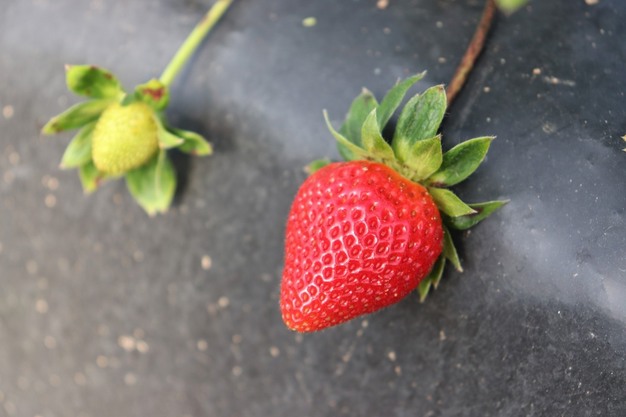 © SAT PLUS BERRIES
"Despite these initial challenges, the overall assessment remains positive. While the storm caused some damage, it has been fully repaired, and crop management has responded effectively," he added.
Crop development is slightly delayed compared to last year due to the need for consistent irrigation to protect the crop from the initial heat. Despite this phenological delay, harvesting has already started, and sales forecasts stay optimistic, with the first fruit already being harvested," Vélez stated.
Plus Berries' seasonal strategy focuses on its own variety, Candela. "This early-harvest variety produces uniformly intense red fruit. Plus, its plant shows greater resistance to pests and diseases, which is crucial for achieving the Zero Residue target. For consumers, this means excellent flavor and quality. We also continue to offer the Marisma and Cleopatra varieties, which broaden our selection," Vélez explained.
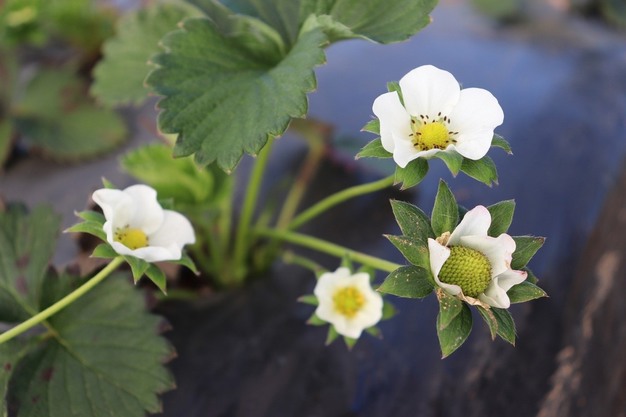 © SAT PLUS BERRIES
The company's technical manager emphasizes that the start of the season is the most critical period, requiring careful attention to every detail. He highlighted the unique qualities of the Lepe product, especially its noticeable intensity on the palate. Marketing expectations remain optimistic. "Demand is good, and we aim to maintain coverage across all potential markets."
"We are committed to sustainable cultivation and zero-residue practices, which demand daily vigilance against pests and diseases. Our goal is to supply consumers with strawberries as naturally as possible. This commitment is supported by significant investment in research and development. We operate an innovation center that explores biological control methods, microorganisms, and precision tools such as irrigation probes, dosimeters, and rain gauges to optimize resource use. This research helps us develop varieties that are better suited to the soil, more resilient, and ideal for ecological, residue-free production," Vélez stated.
 For more information:
Grupo Plus Berries
Tel: +34 959504454
Email: [email protected]
plusberries.com