Morocco's growers and Europe's retailers are about to gain a dedicated, five-day sea route that trims transit time, slashes CO₂, and protects every punnet en route. DP World's Alfred Whitman, who oversees the global logistics operators' perishables supply chains, talks about how the new Atlas service will rewrite the rules of the fresh produce trade.
"We've been working closely with the Moroccan Fruit Board from the outset. They bring deep knowledge of the country's fruit and vegetable growers and the standards required by European retailers, while we bring the shipping, logistics, and digital infrastructure to match that ambition. Together, we've built a corridor that gives Moroccan exporters what they've needed for years – predictable arrival times, reliable temperature control, and the confidence that their produce will arrive in top condition. It's been a genuinely collaborative process. We've aligned sailing schedules with harvest calendars, run joint cold chain audits, and trained packing house teams to use our Cargoes digital platform – our supply chain management software – so they can monitor their fruit all the way to its destination."
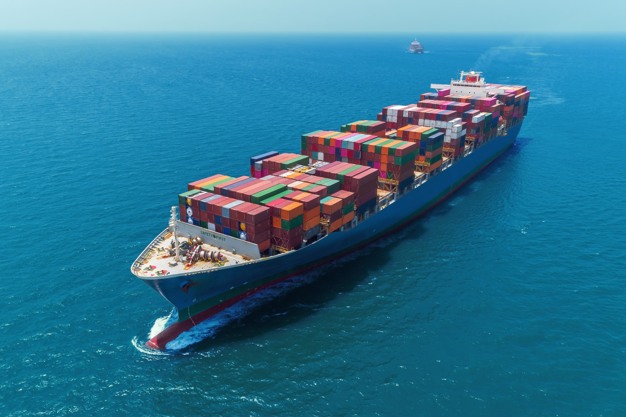
Each Atlas sailing takes just four to five days from Agadir or Casablanca to London Gateway – around two days faster than the typical road route. "Two of our dedicated Unifeeder vessels will make that journey every week, giving exporters a dependable rhythm that fits their picking and packing cycles. For growers, that consistency means they no longer have to guess which day the ship will leave and can rest assured their products will get to where they need to be in the condition they should be in."
Ports and wider network
"Northbound, we're loading produce such as tomatoes and blueberries in Agadir and Casablanca – both major agricultural gateways in Morocco. The ships will then call at London Gateway in the UK and Antwerp Gateway in Belgium. Once containers arrive, they can be transferred straight onto our rail and road network, reaching supermarket distribution centres across the UK, Benelux, and northern France within hours. By linking sea, rail, and road within one owned network, we remove unnecessary handling and keep the cold chain fully intact from farm to shelf.
"Anyone who's seen pallets of tomatoes bounce along 3,000 kilometres of road knows how fragile the value chain can be. Atlas changes that. With fewer handovers and smoother transit by sea, we reduce vibration and handling damage, especially for soft-skin fruit. Our temperature loggers and telematics mean any intrusion or deviation in temperature or humidity within our containers triggers an alert before it becomes a problem. Based on internal modelling, we expect this to cut spoilage compared with road transport – we can validate a precise figure once the service is fully operational. The bottom line: growers see fewer rejected pallets, and retailers get fruit that lasts longer on the shelf.
Carbon upside
Switching up to 150,000 tonnes of cargo from road to sea is a major environmental win, according to Whitman. "The sea route emits roughly 250 kilograms less CO₂ per tonne-kilometre than trucking – around a 70% reduction in carbon emissions overall. For Moroccan exporters, that means real progress toward meeting EU farm-to-fork targets - and for European retailers, it's a measurable cut in Scope 3 emissions. Win-win. Atlas also supports DP World's wider decarbonisation goals: a 42% absolute reduction in Scope 1 and 2 emissions and 28% in Scope 3 by 2030, with net zero by 2050."

Does it change the cost equation?
"Yes – but not only in the way most people think. The tariff card will be published when Atlas officially launches in November, but the real saving lies in the total cost from farm to shelf. When goods arrive two days earlier, exporters tie up less working capital in transit, and retailers get a longer shelf life. A smoother sea leg also means fewer damaged pallets and fewer claims, which is real money saved. Add the stability of fixed weekly sailings and the carbon advantage that helps avoid offset costs, and it's clear this route offers better value overall. Atlas isn't just cheaper - it's smarter."
First sailing
The first northbound sailing leaves Morocco in early November 2025, but the groundwork is already in full swing.
"Our customs specialists are finalising electronic clearance processes with HMRC and Morocco's Customs teams to make documentation seamless. We're also training packing house and freight forwarding teams in Agadir and Casablanca on our Cargoes digital tools, so they're ready from day one. And, of course, we're out meeting partners. At our launch event in Agadir on 18 September and at Fruit Attraction in Madrid (September 30 – October 2), we made sure everyone in the chain knew exactly how to plug into this new route. When the first boxes set sail, the system will already feel familiar."
For more information:
Kebra Dakowah
Tel : +44 (0)203 047 2000
[email protected]