Severe weather conditions in South Punjab, Pakistan, including dust storms, erratic winds, and shifting climate patterns, have directly impacted both daily life and agricultural production.
The region's mango crop in areas such as Multan, Rahim Yar Khan, Vehari, Khanewal, and Muzaffargarh is experiencing a decline in yield and fruit size. Director of Mango Research Institute, Dr. Hafiz Asif-Ul-Rehman, reported a potential 40% reduction in the size of Multan's mangoes, which are known for their sweetness and unique flavor. "While dust storms and erratic weather impact mango orchards, the heatwave and hopper attack were far more dangerous," he noted.
Projected figures indicate a downturn in expected output. Multan's 31,000 hectares of mangoes are anticipated to yield around 426,000 metric tons, a decrease from the previous year. Rahim Yar Khan is expected to produce 221,000 metric tons, Khanewal 175,000, Muzaffargarh 232,000, with Bahawalpur at 44,000 metric tons.
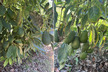
Mango grower Javed Bhutta from Qasim Bela confirmed a reduction in fruiting this year due to environmental stressors and pest invasions, noting a significant loss of unripe fruit. In response, Dr. Rehman introduced the Mango Small Tree System under the Government of Punjab's Green Punjab initiative. This program focuses on creating shorter mango trees for increased resilience and easier management. "This modern orchard management system aims to enhance productivity by introducing shorter mango trees that are easier to maintain and more resilient to climate stresses," he explained.
Training, workshops, and seminars are arranged to equip mango growers with an understanding of best practices, pest management, and climate resistance strategies. Dr. Rehman highlighted the dangers of using calcium carbide for ripening, a banned chemical, advocating instead for the use of ethylene.
Additionally, Scientific Officer Abid Hameed Khan cited unusual temperature variations as disruptive to flowering and early fruit development, "Temperature fluctuations were becoming a growing challenge," he specified, suggesting collaboration with the Mango Research Institute for expert advice.
Source: APP