China remains Vietnam's largest export market for agricultural, forestry, and fishery products. In 2024, Vietnam's exports to China reached $13.5 billion, accounting for nearly 54% of the total value of Vietnam's fruit and vegetable exports. China imported about 90% of Vietnam's lychee volume, 80% of its dragon fruit, and over 90% of cassava and cassava-based products. Despite this strong trade relationship, Vietnamese agricultural products still make up less than 5% of China's total imports in this category, indicating significant room for growth.
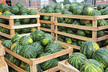
The state visit of Chinese President Xi Jinping to Vietnam from April 14 to 15, at the invitation of Vietnamese leaders, is expected to strengthen bilateral cooperation, particularly in agriculture. Vietnam and China have maintained a comprehensive strategic cooperative partnership since 2008, and recent high-level exchanges have further reinforced political trust and trade ties. Both sides have signed 24 memorandums of understanding and protocols on agricultural, forestry, and fishery exports. Vietnam currently exports 12 agricultural products to China under official protocols, including watermelons, mangosteens, black jelly, durians, fresh bananas, and sweet potatoes. Other exports include dairy products, seafood, and live aquatic animals, while passion fruit and chili peppers are in pilot export stages.
China has expressed its readiness to increase imports of high-quality Vietnamese agricultural goods. During a 2024 visit to Vietnam, Chinese Premier Li Qiang affirmed China's commitment to opening its market further and upgrading trade infrastructure, including smart customs systems and new cross-border cooperation models. Vietnam is working to align its agricultural exports with Chinese standards, focusing on quality control, food safety, traceability, and standardized packaging and labeling. Efforts are also underway to streamline cross-border trade and resolve logistical bottlenecks.
At the same time, the transformation of Friendship Pass (Youyiguan Port) on the China-Vietnam border into China's first cross-border smart port is progressing. Located in Pingxiang City, Guangxi, the port currently handles about 1,500 vehicles daily. The upgrade, with an investment of 1.062 billion yuan ($145.49 million), incorporates advanced technologies such as 5G, satellite navigation, AI-powered logistics, and automated cargo handling systems. Once complete, the port will support 24/7 customs clearance, with goods able to reach Vietnamese provinces like Bac Giang or Bac Ninh within 24 hours.
Improvements in logistics are already evident. Clearance times for fruit containers have dropped from six hours to as little as three, reducing spoilage and improving delivery times. Digital systems such as smart logistics management, intelligent inspection, and quarantine automation have increased efficiency and cut wait times. Vietnamese authorities approved their smart port development plan in August 2024, and construction on their side is underway. The smart port is expected to enhance trade between China and Vietnam and contribute to broader regional economic integration across ASEAN.
Source: MediaOutreach, PR Newswire