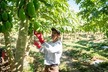
In West Bengal, the Malda and Murshidabad regions, historically known for cultivating thousands of mango varieties, currently see only a few hundred types in cultivation, with many varieties having disappeared and others facing extinction. The Malda Research Station, part of the Central Institute for Subtropical Horticulture, organized an exhibition showcasing around 150 endangered mango varieties to heighten farmer awareness regarding the preservation of these cultivars.
A significant event featured the exhibition of 250 near-extinct mango varieties by the same institution, focusing primarily on endangered types. The exhibition aimed not only to encourage conservation efforts among mango farmers but also to inform them about their rights. Dr. Trilochan Mahapatra, chairperson of the Protection of Plant Varieties and Farmers Right Authority, inaugurated the event, highlighting the cultural and historical significance of mangoes in India.
Participants included representatives from the organization's branches in Malda district and the state, along with farmers from Malda, Murshidabad, Purulia, Nadia, and Bankura districts. ICAR officials were present to assess the quality of the mangoes produced. Dr. Mahapatra emphasized the importance of mango in Indian culture and the ongoing efforts to improve mango quality for better profit margins and export opportunities. He noted the importance of farmers understanding their mango varieties for proper profit and mentioned the organization's efforts to link farmers with processing companies. Additionally, an awareness workshop on the conservation of mango trees and farmer rights was held.
Source: etvbharat.com