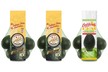
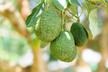
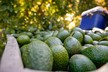
Kiwi berries, or mini kiwi fruit, are both nutritious and tasty, but the overall surface area of plantation is limited, so that the market supply volume is relatively small. Few consumers are aware of this fruit as the new season is about to begin when kiwi berries enter the Chinese market again in September.
Mr. Xie Hailong, Head of Marketing at the specialized kiwi berry plantation "Perfect Orchard of Excellent Berries", recently talked about this unique berry and the market conditions in the last few years.
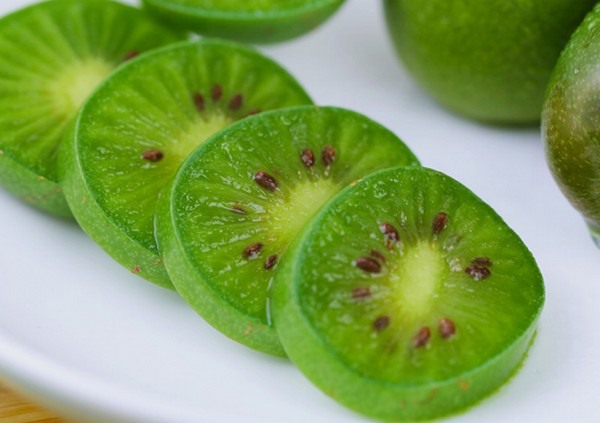
Mr. Xie first introduced this unique fruit: "The kiwi berry is a perennial, deciduous vine plant that belongs to the genus of Chinese gooseberries, or kiwi fruit. The kiwi berry plant grows in a similar fashion as the kiwi fruit plant, but there are major differences between the fruits. The kiwi berry resembles the large jujube from Xinjiang. The fruit flesh is green, although there are also red kiwi berries. The fruit peel is delicate and edible. The kiwi berry does not require peeling. Mature kiwi berries have a sweet flavor and a subtle fragrance. The kiwi berry can be eaten whole. The sugar content of this berry is very high. In ripe berries the sugar content can be as high as 26%. And although the berry is small, the nutritional value is very high. Test data shows that the vitamin C content of kiwi berries is 6-10 times higher than regular kiwi fruit, and more than 100 times higher than apples and pears."
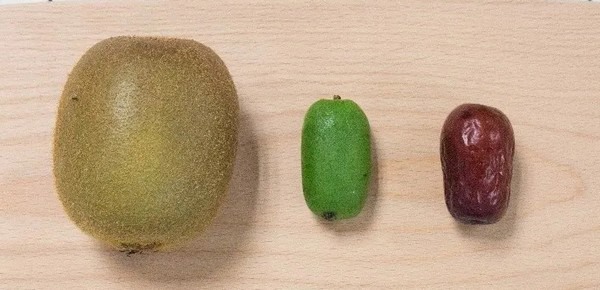
The manually cultivated kiwi berry varieties are mainly early-season and late-season varieties. They are primarily introduced from New Zealand, but some of the varieties were cultivated in China.
"Early-season kiwi berries mostly come from greenhouses or production areas in south China. However, most of the production areas are in north China and they begin to supply the market only from late August until late September. Some of the production areas in coastal regions suffered from heavy rainfall and typhoons, which made some of the berries fall from the vine. Only about 70%-80% of the berries matured. However, the product quality seems to be quite good this year. The fruit peel does not seem to have suffered from the rain and wind, and the sugar content is also regular," said Mr. Xie.
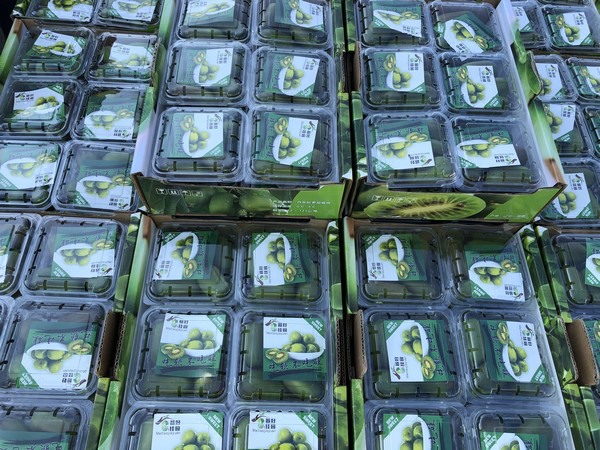
"Last year the overall surface area devoted to kiwi berry plantation in China reached 8400 hectares, which is more than in the year before. The scale of production is still relatively small, which means that the production volume primarily supplies high-end markets in first-tier cities. The price is around 19.8 yuan [3.05 USD] per box of 6 kiwi berries. Every kiwi berry is around 20g. This fruit is quite exclusive and not commonly seen in supermarkets. Even in most large-scale supermarkets in Beijing and Shanghai most people do not recognize this berry. The small scale of kiwi berry retail is not just the result of a small production volume, there are other problems with harvesting, storage, preservation, and transport that need to be solved for the production of kiwi berries to scale up."
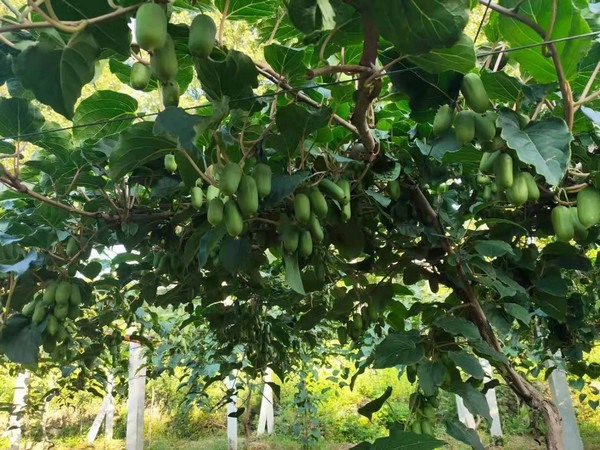
"The production of kiwi berries requires more investment than the production of most mainstream fruits. In addition to land, fertilizer, and seedlings, there are also support frames, wires, and ropes to keep the plants upright, as well as investments in pruning and such."
Mr. Xie continued: "The use of weed killers and other agricultural chemicals is a problem. The plants suffer from such products and in severe cases the kiwi berry plant withers and dies. There are kiwi berry plantations near maize fields or other cash crops where agricultural chemicals are used in large volumes, and these kiwi berry plantations suffer severe damage. In other words, the kiwi berry plantations are 'forced' to adopt 'semi' green and 'semi' organic production methods. That is why the flavor of most kiwi berries is so natural and fresh."
"Perfect Orchard of Excellent Berries" began producing kiwi berries in 2009. Three years later in 2012 the company began work on the research and development of kiwi berry seedlings. The kiwi berries that enter the Chinese market from abroad are quite expensive. Fresh kiwi berries cost around 300 yuan [46.28 USD] per 0.5 kg. The kiwi berry seedling market emerged and grew in response to the high price of imported kiwi berries. In recent years the domestic production volume of kiwi berries and kiwi berry seedlings has greatly increased, but still the supply volume is considered only a drop in the bucket.
"The price has come down somewhat, but not a lot. The company initiated their first ecological production project in 2018. They established model plantations in Liaoning, Hebei, Shanxi, Hunan, and Gansu. There they research and develop integrated methods for plantation, management, and retail. This approach encourages the entire industry to move towards the ecological production of kiwi berries.
For more information:
Mr. Xie Hailong
Tel.: 188-1150-2396
E-mail: [email protected]