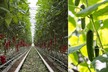
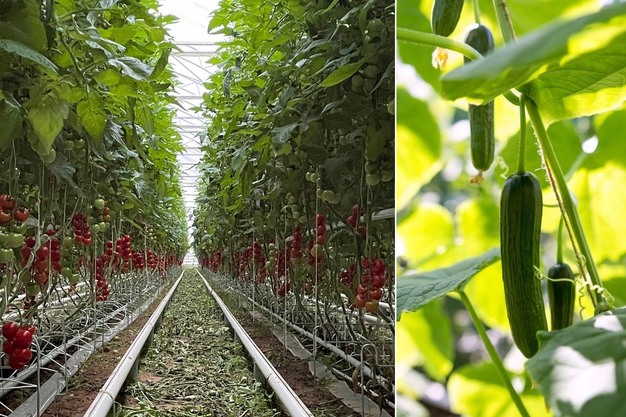
With the first cucumber harvest in March and the first tomatoes in April, the main season for German organic greenhouse-grown fruit vegetables is now underway. Retailers can now increasingly replace imported produce from Southern Europe with domestically grown vegetables. In addition to freshness and short transport routes, regional organic production offers security of supply and stable prices. In contrast, cheap imports during the season are slowing the growth of organic farmland.
 © Bio Fruchtgemüse Produzenten e.V.
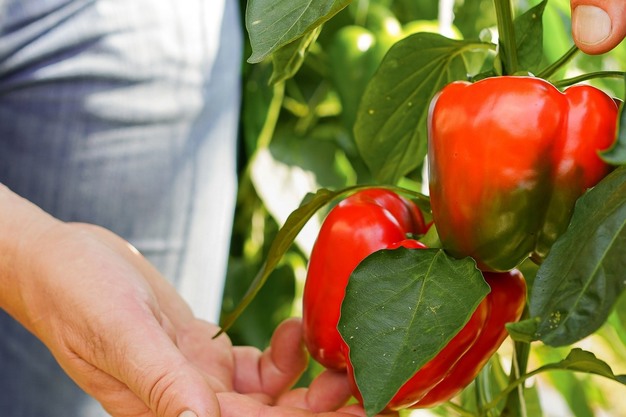
"Every year, our member farms look forward to the moment when store shelves fill up with our cucumbers, tomatoes, peppers, and eggplants," explains Rudolf Dworschak, chairman of Bio.Fru.Pro. "This clearly shows that our commitment to a healthy environment, healthy soils, and opposition to synthetic chemical pesticides has resonated with the general public." This is also reflected in current market figures, which project a 6% growth in organic vegetable sales by 2025.
Import shares have also grown. "This is not due to our farms' inability to expand their production areas, but rather to the price difference between regional and imported goods," explains Michael Schudde, Southern Regional Director of Bio.Fru.Pro. "Lower environmental and social standards allow for lower prices. However, neither of these meets our quality standards."
 © Bio Fruchtgemüse Produzenten e.V.
The current energy crisis demonstrates that a market's dependence on international supply chains carries serious risks. In the event of disruptions, the supposedly lower consumer price rises unpredictably. Organic production in particular is currently showing that domestic fruit and vegetables can be reliably supplied even without fossil-based, chemically synthesized nitrogen fertilizers—regardless of disruptions in global trade.
Long-term and cost-intensive investments
"It's true—our production costs are higher than those of our colleagues in Spain. But in return, we can still deliver even when international markets are hit by the next disruption," emphasizes Rudolf Dworschak. "Modern organic greenhouses are long-term and cost-intensive investments, which is why we need secure purchase commitments to ensure rapid growth. If producers, retailers, and consumers work together toward this goal, we will be able to supply the market with 100% locally grown organic tomatoes and cucumbers from April through November in the medium term. The food supply in this country would take a major step toward sustainability, independence, resilience, and resource conservation."
For more information:
Michael Schudde
Bio Fruchtgemüse Produzenten e.V.
Tel: +49 (0) 176 600 300 43
[email protected]
www.biofrupro.de