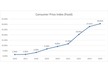
Traders across Kigali report higher prices for food and basic commodities in recent weeks, linked to increased fuel costs and higher transport expenses. On April 3, the Rwanda Utilities Regulatory Authority (RURA) raised fuel prices, with petrol increasing from Rwf1,989 (US$1.59) to Rwf2,303 (US$1.84) per litre and diesel from Rwf1,948 (US$1.56) to Rwf2,205 (US$1.76). The changes, effective April 4, followed an earlier adjustment on March 5 and have driven up transport fares and distribution costs.
At the Gisimenti business hub, fruit vendors report immediate impacts. "Mangoes imported from Kenya, which we used to buy at Rwf600 (US$0.48) or Rwf700 (US$0.56) per piece, now cost between Rwf900 (US$0.72) and Rwf1,000 (US$0.80). We sell them at about Rwf1,500 (US$1.20)," said Donatille Murekeyisoni. "A kilo that used to cost between Rwf1,000 (US$0.80) and Rwf1,200 (US$0.96) is now around Rwf1,500 (US$1.20), and we sell it at about Rwf2,000 (US$1.60)." Transport costs for a sack have doubled from Rwf1,000 (US$0.80) to Rwf2,000 (US$1.60).
Watermelons imported from Tanzania and Uganda have increased from Rwf2,000 (US$1.60) to around Rwf4,000 (US$3.20), with retail prices at about Rwf5,000 (US$4.00). Orange prices rose from Rwf700 (US$0.56) to Rwf1,200 (US$0.96) per kilogram, with retail prices around Rwf1,500 (US$1.20). Apples imported from South Africa increased from about Rwf86,000 (US$68.80) to Rwf160,000 (US$128.00) per box, while individual apples now reach up to Rwf700 (US$0.56).
"When we ask suppliers, they attribute the rise mainly to higher transport costs, which have pushed up the overall cost of sourcing and delivering produce to markets," Murekeyisoni added.
In the fisheries sector, costs are also rising. "Compared to last month, the price of animal feed has risen by 15 per cent, while buyers are not willing to accept higher prices, and demand is dropping," said Themistocles Munyangeyo. Demand declined from eight tons to seven tons per day in Rubavu, while prices remain between Rwf4,300 (US$3.44) and Rwf4,800 (US$3.84) per kilo.
Staples are also affected. Pakistan rice increased from Rwf28,500 (US$22.80) to Rwf30,000 (US$24.00) per 25kg bag, cooking oil from Rwf45,000 (US$36.00) to Rwf55,000 (US$44.00), and cassava flour doubled at the wholesale level to Rwf800 (US$0.64), now retailing at Rwf1,000 (US$0.80). Local maize flour rose to Rwf1,200 (US$0.96) per kilo.
Cooking gas prices have also increased. "A 6kg cylinder now costs Rwf13,000 (US$10.40) and sells at Rwf14,000 (US$11.20)," said Clement Mbonigaba.
Minister of Trade and Industry Prudence Sebahizi said the government is assessing the impact. "The impacts are still being reviewed, and measures are being taken step by step," he said.
Source: The New Times