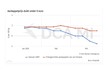
India harvests around 58-60 million metric tons of potatoes across 2.2-2.5 million hectares annually, with over 60% coming from the Indo-Gangetic plains of Uttar Pradesh, Bihar, and West Bengal, explains Dr. Akhilesh Kumar, CEO of Eden Horticulture Services.
"That's a whopping 20 million tonnes surplus beyond the 40 million tonnes needed for domestic consumption, leaving farmers at the mercy of seasonal gluts and no minimum support price. India witnesses surplus production every 4-5 years when acreage spikes. There is no regulated advisory system, IoT, or satellite-based crop planning that could help balance plantings and stabilize prices. Only 10% of India's potato production currently goes to processing, leaving table potato farmers exposed while the processing sector continues to flourish."
 © Eden Horticulture Services
According to Dr. Kumar, states like Uttar Pradesh, Bihar, and West Bengal lead table potato production at 20-22 tonnes per hectare. Haryana, Punjab, and Himachal Pradesh produce certified seed potatoes, leveraging cooler climates that naturally limit aphids and whiteflies and produce virus-free seeds. Gujarat, meanwhile, dominates processing with 34-35 tonnes per hectare because its fog-free winters enable maximum photosynthesis, unlike the dense winter fog smothering North India.
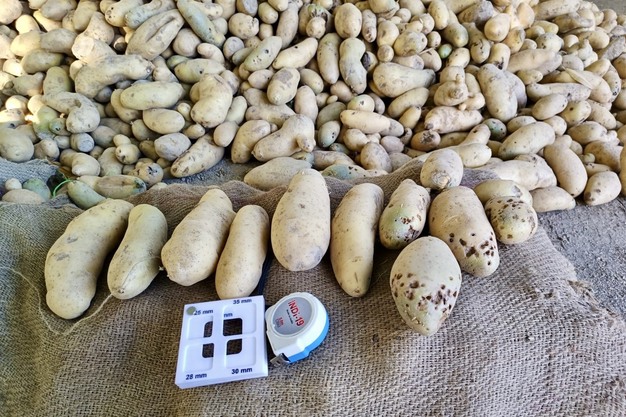
Private processors have cracked the code through complete value-chains, right from quality seeds and contract farming control to guaranteed buyback, and strong market linkages, Dr. Kumar highlights. "The story of table farmers is starkly opposite, right from the root; They lack access to certified seeds, so they recycle the same ones for 8-9 generations with less than 10% replacement rates. Viruses build up, quality is compromised, and farmers end up selling at USD 0.05 per kg against USD 0.08 production costs. If processors profit from the same crop and cycle, why can't table farmers with proper value-chains?" he asks.
 © Eden Horticulture Services
Potatoes grow best as a winter crop in India's cool, fertile soils, with table varieties like Kufri Pukhraj and Kufri Badshah supplying chaotic domestic mandis while processing varieties such as Santana and proprietary lines flourishing under private contract farming in Gujarat's Mehsana, Banaskantha, and Dhesa clusters.
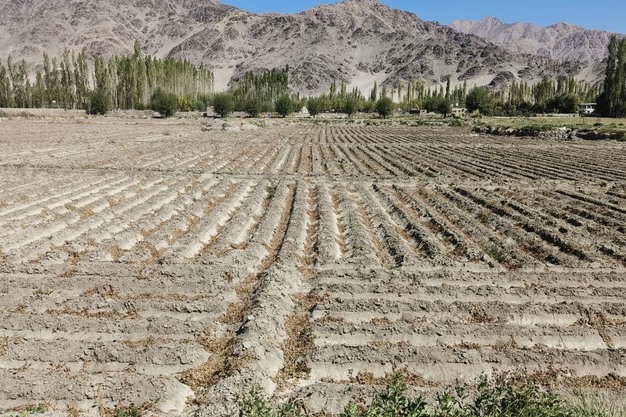
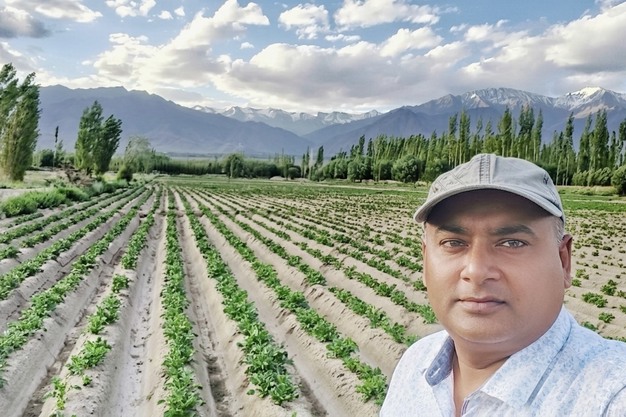
Dr. Kumar and his team have developed a seed production model in the temperate climate of Leh (Ladakh) at 3,500 meters altitude where low pest pressure and long summer photoperiods enable open-field multiplication. "We take foundation seeds from processors like McCain and Falcon, sow Santana variety in April, harvest by September, and deliver certified seeds to Gujarat by October for their winter crop." He adds that the region's cold, dry climate and silica-rich sandy soils also produce thick-skinned tubers that are ideal for long‑term storage.
 © Eden Horticulture Services
As Dr. Kumar sums it, "Table potatoes need the processing sector's organized blueprint, starting with access to virus-indexed certified seeds multiplied faster through contemporary technologies like aeroponics and the apical root cutting (ARC) method under controlled environments; UP and Bihar's small farmers need cooperatives to pool resources for cold storage, letting them time sales strategically rather than dumping at mandis during gluts. Cold storage must replace carcinogenic CIPC, an anti-sprouting chemical already banned in the EU, with safer mint oil alternatives that command premium clean label prices. Modern wooden bin systems should replace outdated bag stacking to cut damage and improve airflow."
"Value-added products from farm agro‑waste for bio-pesticide development, and the use of rotten cold‑storage potatoes for biogas, bioplastic, green manure, and vodka production can create additional revenue streams for potato growers, similar to the sugar industry model in India. Processors prove potatoes can be reliable cash crops; the table sector just needs that same value-chain discipline," Dr. Kumar concludes.
For more information:
Dr. Akhilesh Kumar
Eden Horticulture Services
Tel: +91 78 40 063 366
Email: a[email protected]