A new Peruvian mandarin campaign is starting with prospects for growth in terms of volume, although also with pressure factors linked to production costs, logistics, and commercial volatility. For growers and exporters, the determining factor is to stay in touch with the market and implement a strategy that combines production, quality, and commercial positioning.
 © Gamma Fruit
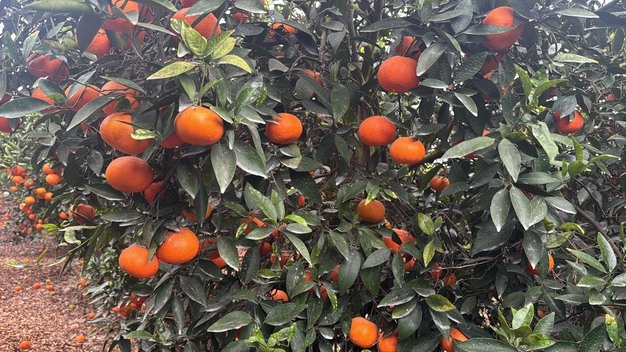
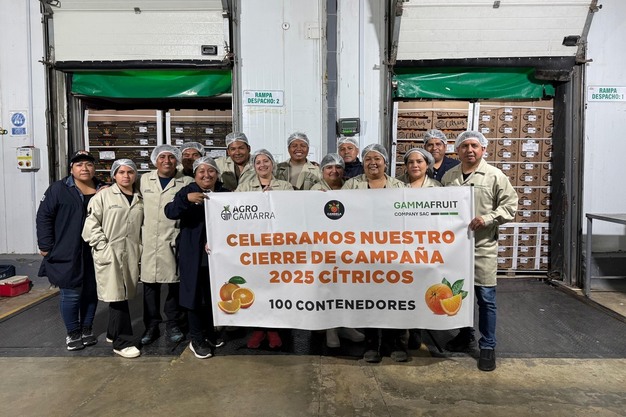
In the case of Gamma Fruit Company SAC and Agro Gamarra SAC, companies based in the Santa Rosa valley, in Huaral (north of Lima), the 2026 season is shaping up to be one with a higher exportable volume. According to Christian Gamarra, general manager of both companies, production continues to increase both in their own fields and through alliances with other producers.
"This year, taking into account both our own fields and those of third parties to whom we provide advice, we expect to have approximately 170 containers for export," says Gamarra.
 © Gamma Fruit
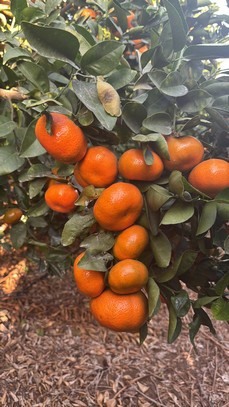 © Gamma Fruit The companies work mainly with the W. Murcott, Malvasio and Honey Murcott varieties, and this year they will start with some volumes of Satsuma and Primosole. In total, the project encompasses nearly 40 hectares in direct production, as well as fruit from producers advised by the company's technical team.
One of the main causes for concern in this campaign is the increase in agricultural costs, particularly in fertilizers and inputs. "Agricultural inputs and fertilizers are quickly becoming more expensive, mainly due to the international situation and its impact on the fuel supply," says Gamarra.
On top of that, there's the possibility of increases in maritime freight costs. Although the season hasn't fully kicked off, shipping companies have already warned of rate adjustments that could take a toll on the profit margins of exporters. The availability of logistical space also remains a critical point.
 © Gamma Fruit
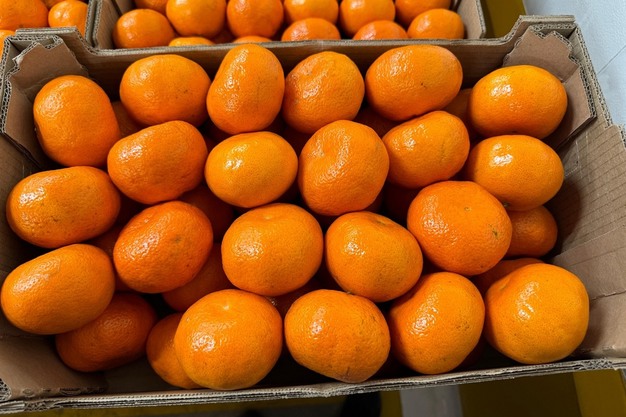
In commercial terms, mandarins are still a fruit with relatively stable prices in international trade; however, there can be some volatility, depending on sizes and trading windows. "In general, the global price of mandarins remains considerably more stable than that of other fruits. No sharp price drops are expected, although smaller sizes have seen slightly higher volatility in the markets," says Gamarra.
Currently, the company's shipments are mainly intended for the American continent, with destinations ranging from Colombia to Canada. The United States, Mexico, and Canada are among the main markets, along with several countries in Central America and the Caribbean.
 © Gamma Fruit
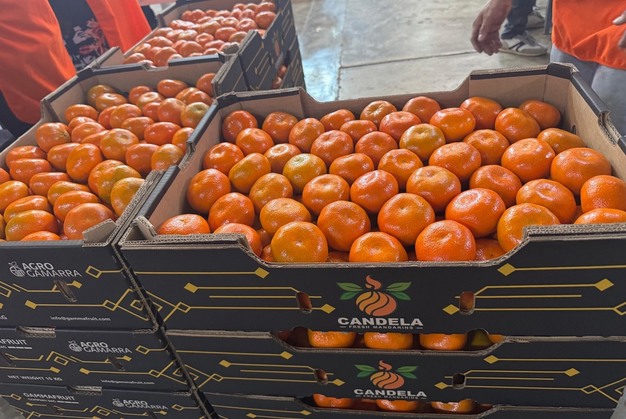
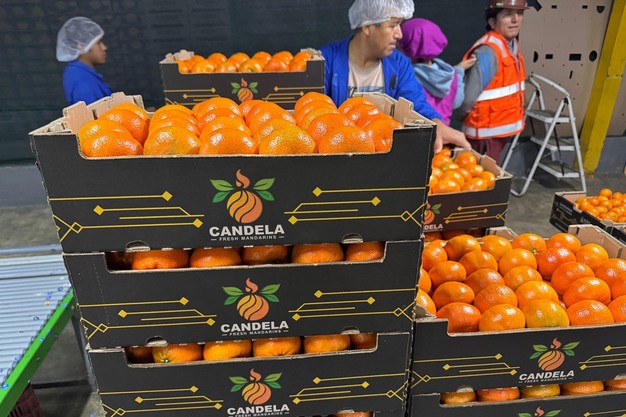
The company's commercial strategy also includes the development of its own brand. At the moment, it seeks to stand out in the North American and Latin American markets with the Candela Fresh Mandarins label. "Our brand has already gained a foothold in Canada, the United States, and Mexico. In some markets, this is putting us over generic brands," says the executive.
Looking ahead, the company also aims to obtain additional certifications with the goal of entering Europe and Asia, markets that they consider strategic for the growth of Peruvian citrus exports.
 © Gamma Fruit
 For more information:
Christian Gamarra
Gamma Fruit Company and Agro Gamarra
Peru
Tel.: +51 916 471 394
[email protected]
https://gammafruit.com/webmail/