From 10 to 13 March, Foodex Japan took place in Tokyo. Alongside mainly large chip producers, such as Agristo, Clarebout, Lutosa, and potato processor Pomuni, BelOrta was also present at the fair with a range of vegetables. "Mainly vegetables, because with pears, for example, we do not yet have access to Japan. However, we noticed that we were a crowd puller as one of the few fresh produce companies," says Didier Lepoutre, who attended the fair for the cooperative together with Thomas Similion.
 © BelOrta
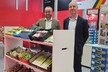
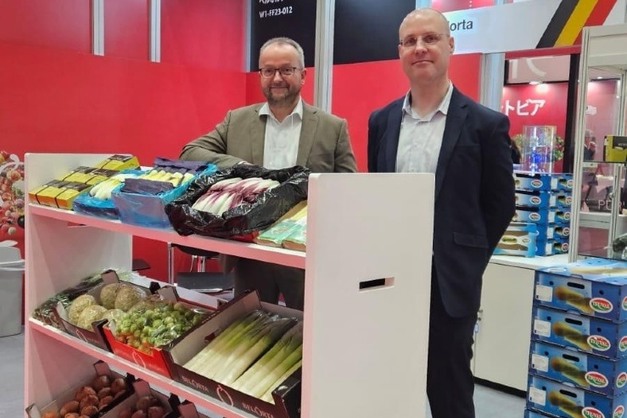
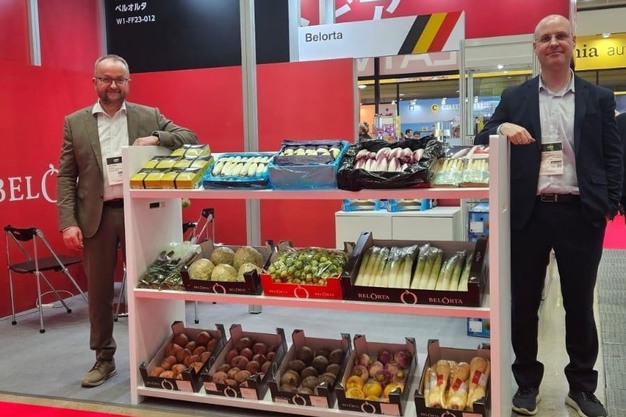
Didier Lepoutre and Thomas Similion
"Overall, we are more than satisfied," he continues. "Foodex Japan is a general food fair rather than a specialized industry event, as is common in the fresh produce sector. From Belgium, the organization was handled by FIT (Flanders Investment & Trade) and AWEX, its Walloon counterpart. The first day started quietly, but picked up in the afternoon. Wednesday afternoon was busy and, notably, attendance remained strong on Friday as well, whereas European fairs often start to empty by then. As the odd one out, we continued to attract attention."
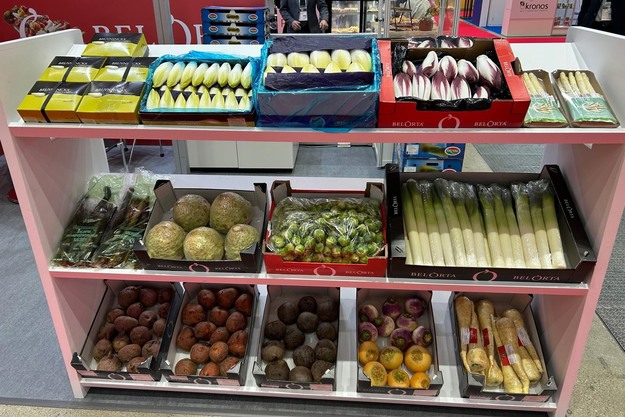
"Across the entire fair, only a handful of fresh fruit and vegetable vendors were present," Didier explains. "Precisely because of this, we attracted considerable attention. Products that are quite normal for us were seen as exotic there. There was strong interest in parsnips, celeriac, leeks, Brussels sprouts, and chicory, among others. We had also announced our presence in advance, and people actually came to the fair specifically to visit us."
 © BelOrta
The vegetable offering
Interested in Pears, but waiting for market access
Incidentally, contacts were not limited to Japan alone. "Visitors from surrounding countries also came. Still, Japan remains the most important market in terms of both visitors and exhibitors. It is a market where Belgian vegetables have been exported for decades, particularly chicory and Brussels sprouts. It remains important to maintain visibility there, especially as these are niche products. They are available, but mainly in the higher segment, such as better restaurants or delicatessens. As a result, they are less familiar to the general public, and we are often asked to explain what certain products are."
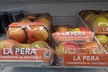
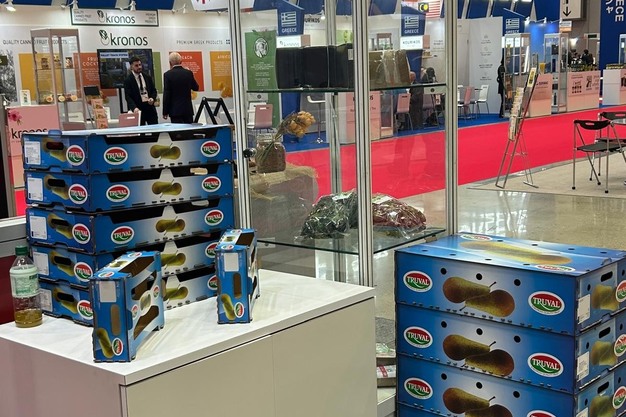
Vegetables, therefore, took center stage, but what about the Belgian flagship pear, the Conference pear, which was presented in Japan last year at the Osaka World Expo? "Of course, these do not yet have market access, so we could not include them. However, discussions are becoming increasingly advanced, and we do see growing interest. We therefore brought packaging similar to that used in Asia by colleagues from Belgium Fruit Valley. That attracted attention. Even though it was for presentation only, with crates displaying pear images, there were many questions about availability, packaging, and timing. The hope is that market access for pears will be realized soon, allowing concrete steps to be taken. In China, that access is already in place, and significant volumes of Conference pears are now being shipped there."
 © BelOrta
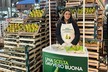
Pear packaging
Value yen, purchasing power, and logistics as challenges
Overall, there is satisfaction with how the fair progressed. However, Didier adds a note of caution. "Japan remains an interesting market, but also a challenging one. There are several reasons for this. One key factor is the exchange rate. The Japanese yen has depreciated considerably against the euro in recent years, by around 35 per cent over the past seven years. This means products from the eurozone have become significantly more expensive for Japanese buyers."
"Additionally, Japan's economic growth is relatively low, putting pressure on purchasing power. Imported products, especially niche products such as Belgian vegetables, are therefore quickly perceived as luxury or exclusive items. While this offers opportunities in terms of exclusivity and positioning, it also requires continuous investment in promotion and education. This limits sales to a smaller, more affluent segment of the market, such as high-end retail and premium restaurants," he explains.
 © BelOrta
Logistics also play a major role. "Fresh vegetables must be transported by air, and air freight costs have risen sharply in recent years. This is partly due to global tensions and disruptions in transport chains. These additional costs weigh heavily on the final product, sometimes to the point where transport costs exceed the value of the vegetables themselves. Overall, this makes Japan a market with clear opportunities, but also significant challenges. Maintaining a presence and building relationships is essential, but success is less straightforward and requires long-term commitment."
Meanwhile, the next trade fairs are already scheduled for BelOrta. "For example, we will soon attend IFE in London, where we are participating for the fourth year in a row. That fair continues to grow, including in fruit and vegetables. The UK remains an important market, so maintaining a presence there is essential. In addition, colleagues will travel to Rimini for Macfrut at the end of April."
For more information:
BelOrta
Mechelsesteenweg 120
B-2860 Sint-Katelijne-Waver, Belgium
Tel: +32 (0)15 55 11 11
[email protected]
www.belorta.be