Tensions in the Middle East are currently causing significant disruption in global shipping. The situation around Iran and the Strait of Hormuz has direct consequences for trade flows, fuel prices, and the safety of seafarers. It is an exceptional disruption, the full impact of which is still difficult to assess, not least because the situation continues to evolve with new threats of a blockade of the second crucial strait, Bab el-Mandeb.
During a European Shippers Council webinar, Joel Grau Lara (CFC Maritime), Damian Viccars (World Shipping Council), and Ellis Morley (Howden) outlined the current situation. "We are already coming out of a period when the supply chain was under pressure," Joel Grau Lara stated. "But this crisis is creating another supply shock, particularly in oil and gas. That directly affects shipping and ultimately freight rates for shippers."
 © Dreamstime
Check fuel clauses
The impact is already visible, according to Joel. "Fuel prices have risen sharply, and that will be passed on in freight rates," he explains. "However, the issue is not just price; fuel availability is also becoming a risk. Key bunker ports are partially falling away, which could lead to congestion elsewhere."
For shippers, this means they need to closely review their contracts. "Check fuel clauses and maintain close communication with your logistics partners. In this market, everything changes from day to day."
Shipping under pressure
The seriousness of the situation is also emphasized by the liner industry. "We are dealing with a very concerning situation," said Damian Viccars. "Our first priority is the safety of crews. At present, tens of thousands of seafarers are effectively trapped in the region under very dangerous conditions."
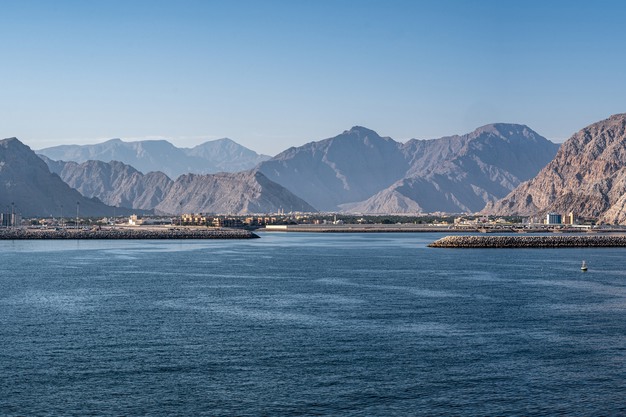
According to Damian, several commercial vessels have been hit, and the Strait of Hormuz is effectively no longer safe for passage. "We are seeing shipping companies rerouting or temporarily suspending routes. Trade continues where possible, but only where it can be done safely."
These adjustments inevitably have consequences. "Longer shipping routes, delays, and disruptions in container logistics will be felt worldwide. As seen during the pandemic, a problem in one region can quickly escalate."
No safe havens
From an insurance perspective, Ellis Morley describes a similar situation. "There has been considerable uncertainty regarding insurability, but ships and cargo remain insurable," he explains. "However, premiums have increased significantly due to the heightened risks."
 © Dreamstime
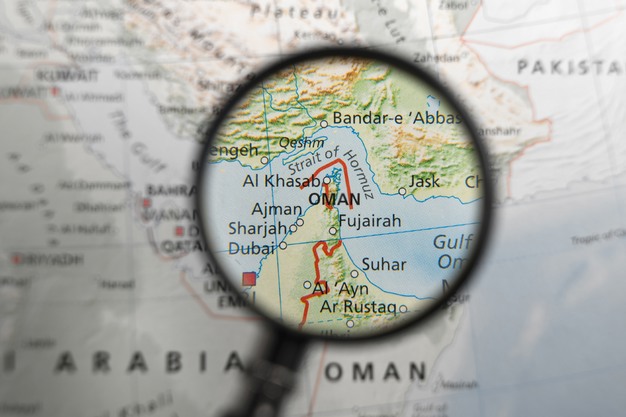
Moreover, Ellis notes that the risk area is broader than often assumed. "It is not only the Strait of Hormuz. We are seeing attacks occurring at greater distances. This means that ports in the region are not necessarily safe." As a result, he says, logistical decision-making is becoming increasingly complex. "There is effectively no risk-free option. It is a constant balance between safety, cost, and availability."
Impact on global trade
The consequences extend beyond energy markets. "This is not just an oil and gas crisis," Joel emphasizes. "Other commodity flows, such as fertilisers and food, are also affected. This impacts both exports and imports in the region. Ships are being rerouted, which can lead to congestion and longer delivery times. Shippers need to take this into account in their planning."
How long the situation will last remains uncertain, according to the speakers. "Much depends on the duration of the conflict," Damian said. "However, it is clear that this is not a short-term disruption. The impact on the supply chain will continue to be felt for some time."
Meanwhile, the industry stresses the importance of ongoing communication. "Especially under these circumstances, communication is crucial. All parties in the supply chain need to work together to navigate this uncertainty as effectively as possible," Ellis concludes.