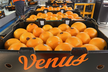
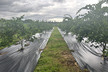
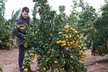
Greenhouse citrus growers in Seogwipo, Jeju Island, are facing rising production costs linked to higher fuel prices. "I'm not sure if I can keep farming," said Kim Yeong-hwan. "With duty-free mandarin imports and rising fuel prices since the Middle East conflict, it's a double blow. A 2,000-liter tank runs dry in about 20 to 30 days, and fuel costs will likely double this year."
According to the Korea National Oil Corporation, the average retail price of heating kerosene reached about US$1.05 per liter in the second week of the month, up 19.9% from late February. Gasoline and diesel prices also increased over the same period.
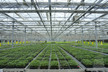
Greenhouse citrus production requires temperature control of around 24°C during growth, with boilers operating overnight when temperatures drop. Electric heating systems are available but involve high installation and operating costs. Installing high-voltage electrical systems for a 0.33-hectare greenhouse can cost around US$75,000. A grower reported electricity costs exceeding US$37,500 this year, compared to about US$30,000 last year. "Harvest is in May, but I'm worried there will be little left in profit," he said.
Tomato growers in Busan are also affected. While kerosene costs have increased, tomato prices have declined. A 2.5-kilogram box of Daejeo tomatoes is priced at about US$8.50, down from US$11.30 last year. "We used to earn about US$52,500 a year, but this year it may be difficult to even make US$30,000," said Ryu Tae-won, head of the Daejeo agricultural cooperative.
Vegetable growers in Gangwon report similar challenges. A farmer in Chuncheon indicated a requirement for an additional 3,000 liters of kerosene through late April to maintain heating. "Support has decreased while fuel prices have risen, making things very difficult," he said. Rising fuel costs are also affecting the use of machinery, with some growers limiting tractor use.
Regional authorities are preparing support measures. South Gyeongsang plans to provide cash payments to residents, while South Jeolla is preparing financial support for small and medium-sized enterprises. North Gyeongsang is expanding its emergency fund to include businesses affected by the Iran conflict.
The government plans to submit a supplementary budget including measures linked to rising oil prices. According to the Ministry of Agriculture, Food and Rural Affairs, additional support may include temporary fuel-linked subsidies and fertilizer support, with final measures to be determined following industry consultation.
Source: Korea JoongAng Daily