The Peruvian ginger sector is heading towards a 2026-2027 campaign marked by an increase in production and greater competitive pressure on the international market. According to César Cárdenas Tapia, president of Proginger, Peruvian producers are getting ready for a season with increased global supply, driven mainly by China and Brazil.
 © Proginger
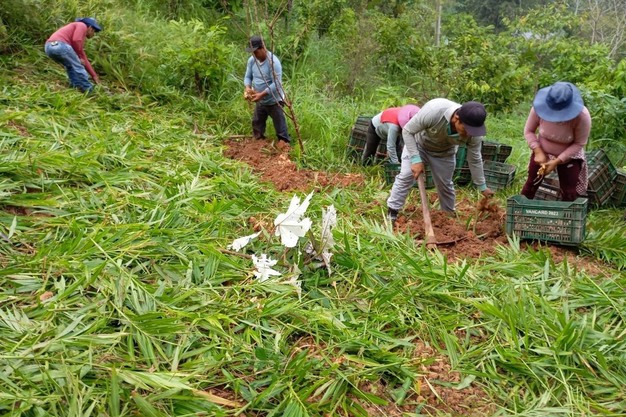
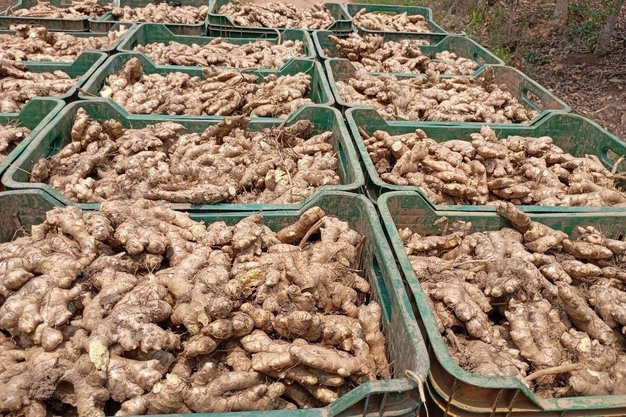
The Peruvian ginger season traditionally takes place between April and the same month of the following year. A few weeks before the start of the new commercial cycle, the sector is expecting an increase in the volume exported. "The information we have from our producers, processors, and exporters is that there has been an increase in production, which means that more containers will be exported in the 2026-2027 campaign," says Cardenas.
Peru won't be the only one with a greater supply. China and Brazil, the Andean countries' main competitors in the international market, have also increased their production levels. According to the trade union leader, this scenario could translate into a market with abundant volumes and lower prices in the coming months. "We are expecting a season with great volumes and cheaper prices," he says.
 © Proginger
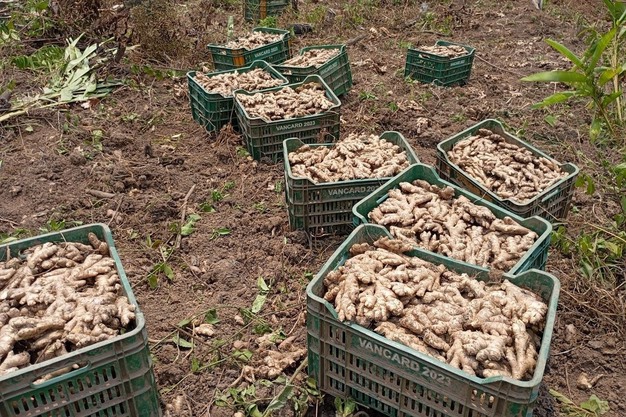
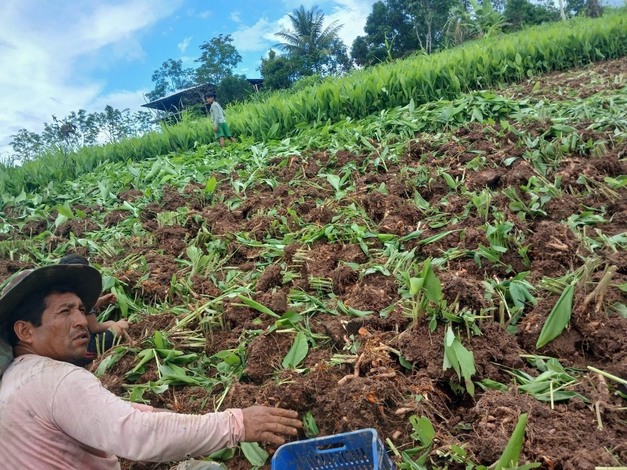
When it comes to productivity, Peruvian ginger still faces a structural challenge compared to its competitors. "While in Peru the average yield is around 25 tons per hectare, in Brazil and China, production can reach 50 to 60 tons per hectare. This difference has a direct impact on the product's competitiveness. We have to sell the ginger for export at a higher price per kilo in order to make it sustainable and profitable for our producers," says Cárdenas.
Despite this production gap, "Peruvian ginger still manages to stand out in the international market. Thanks to its organoleptic profile, especially its more intense flavor and characteristic yellow color, it stays strong in certain market niches. Peruvian ginger has its place in the market," says the president of Proginger.
 © Proginger
The United States remains the main export destination, followed by Europe and Canada. In total, Peruvian ginger reaches some 36 international markets; however, the sector is still facing the impact of the Ralstonia pseudosolanacearum bacterium, detected in 2022, which has caused access to the European market to be partially restricted.
Recent price behavior reflects the market's volatility. "In February, Peruvian ginger was marketed for between 28 and 30 dollars per 30-pound box; however, in March, prices fell to between 20 and 22 dollars due to the start of the Chinese and Brazilian seasons," he says.
 © Proginger
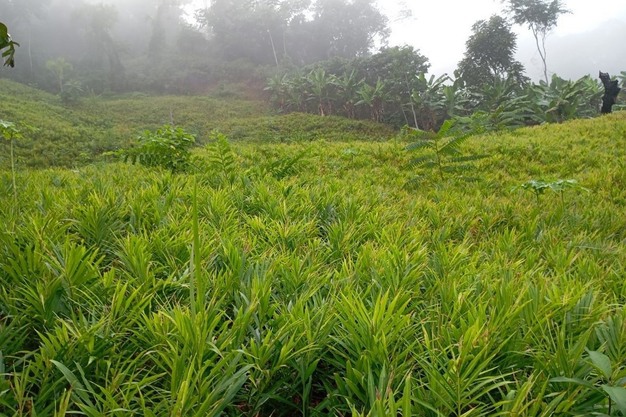
Faced with these challenges, the sector is committed to improving productivity and strengthening plant health through new research programs. Some of the goals include the development of in vitro cultivation and the creation of germplasm banks to produce pathogen-free seeds. "The key to sustainable cultivation is to improve productivity," says Cárdenas.
Also, "Peruvian ginger continues to consolidate itself as a mostly organic product, with around 95% of production certified under this standard. This is helping it strengthen its positioning in high-value markets," he says.
 © Proginger
 For more information:
César Cárdenas Tapia
Proginger
Peru
Tel.: +51 995 622 292
[email protected]
www.progingerperu.com