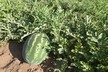
Data from the Cayman Islands Ministry of Agriculture indicates that local fruit and vegetable production remains limited, with most supplies sourced through imports. The findings form part of the 'Grown in Cayman: What Cayman Grows' campaign under the Cayman Islands Food and Nutrition Security Policy 2022–2036.
The Cayman Islands imported approximately US$68.7 million of fruits and vegetables in 2024, up 10.5 per cent year on year, making produce the largest food import category. Imported products are subject to a 17 per cent duty, while shipping and refrigeration costs, influenced by global oil prices, contribute to pricing levels. Data from the 2023 STEPS National Health Survey shows that 14.2 per cent of residents reported low fruit and vegetable consumption.
Local production includes tomatoes, lettuce, cucumbers, callaloo, peppers, mangoes, avocados, coconuts, and citrus, but accounts for a limited share of demand. Tomatoes represent around US$2.36 million in imports, with local production covering about 21 per cent of consumption. A 12.5 per cent increase in output could replace approximately US$920,000 in imports.
Lettuce imports reached about US$4.7 million in 2024, while local production accounts for about 3 per cent of consumption. Increasing production to 25 per cent could generate more than US$1.3 million in local output.
Fruit categories such as mangoes and avocados form part of an import segment valued at around US$1.96 million annually. Expanding local production by 75 per cent could generate US$4.45 million in additional value.
Overall food imports reached approximately US$286 million in 2024, with total imports rising by 47 per cent between 2019 and 2024, compared to population growth of 26 per cent. Household spending on food increased over the same period, from 6.6 per cent to 9.8 per cent in Grand Cayman and from 11.6 per cent to 16.7 per cent in Cayman Brac.
The policy framework aims to increase local production while maintaining import supply. Analysis suggests that increased output across selected crops could replace more than US$8.4 million in imports and generate over US$16 million in local economic activity.
The programme also includes small-scale production through backyard and school gardens, focusing on crops such as tomatoes, peppers, and herbs.
Source: Cayman Compass