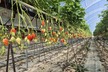
Strawberry harvesting in Rio Grande do Sul is expected to continue until April. According to Emater/RS-Ascar, recent weather conditions have supported crop development in several regions of the state. Mild temperatures and wider daily temperature ranges have stimulated flowering, which may lead to higher production in the coming weeks.
Producers continue to manage crop protection challenges, including the spotted-wing fruit fly (Drosophila suzukii). The fenpropathrin-based insecticide previously used to manage the pest is no longer available, which has raised concerns among growers in the Emater/RS-Ascar administrative region of Caxias do Sul.
In Nova Petrópolis, low rainfall combined with mild nighttime temperatures has supported plant flowering. Some growers are using this period to carry out pruning to renew plants and stimulate new production cycles. In Canela, initial plantings of seedlings from Segovia, Spain, have been completed. Plants aged one to two years are showing flowering and fruiting, considered adequate for the summer harvest period. Interest is also increasing in production systems that use nutrient solution recirculation, and new production units using this system are under construction.
In the Pelotas region, short-day cultivars have completed their production cycle. Day-neutral varieties showed reduced production due to high temperatures, which can inhibit flowering. Producers carried out pruning to support plant health and prepare for a new cycle. Fields are currently in the early flowering stage, with harvesting expected between late March and April. Smaller-sized fruit continues to reach the market despite lower availability.
In the Soledade region, weather conditions have also supported the crop. Mild temperatures and wider daily temperature ranges have stimulated flower production, and higher output is expected in the coming weeks.
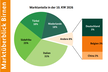
Brazil produced 187,800 tons of strawberries in 2023, according to Embrapa. The country ranks ninth among global producers. Average annual consumption is about 925 grams per person, indicating potential for further development of the domestic market.
Source: Emater RS / Abrafrutas