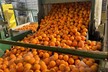
Rainfall recorded across Morocco quickly turned into excess in some parts of the country, such as Gharb and Loukkos, causing major losses in several crops. Citrus crops were among the most affected, with losses in fruit and trees. It is also a sector where the benefits of the rains, even in regions not affected by storms and flooding, will be delayed and take some time to materialize, according to Tariq Kabbage, president of Station Kabbage Souss.
 © Youness Bensaid | FreshPlaza.com
In mid-February, Morocco's interprofessional citrus federation warned of a massive drop in fruit production caused by flooding and storms. According to the federation, nearly a third of plantations are at risk of root asphyxiation due to prolonged water stagnation and significant tree losses. Ultimately, producer representatives warned that the expected decline in production would affect producers' incomes and reduce export volumes.
Kabbage comments: "The situation is very difficult in these regions, where farms have been underwater for a long time and where losses of fruit and trees are considerable. The effect will mainly be felt on the local market, as most of the production in these regions is destined for the local market, and Moroccan oranges represent only a small part of citrus exports anyway due to several years of low profitability."
The impact of storms in the north of the country also fell back on the entire sector nationwide, as it was difficult to export in January and February due to port disruptions caused by weather conditions, according to the producer.
 © SKS
© SKS
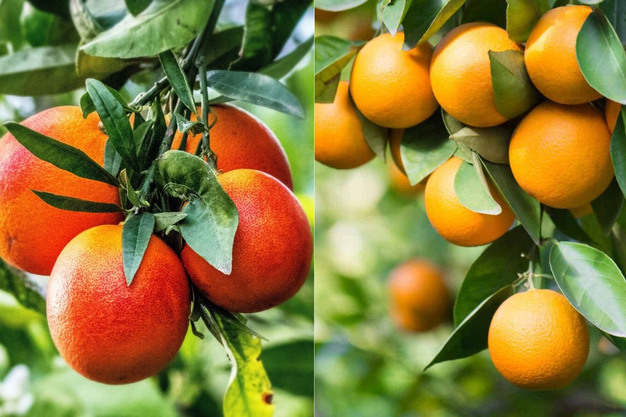
In the center of the country, particularly in the Souss, the rainfall timing was unfavorable for citrus production this season, according to Kabbage. He adds, "The rains came when the fruit had already reached maturity. If these rains have an impact on citrus fruits, it has indeed been negative."
The producer does not rule out the projected positive effect of rainfall on citrus cultivation, but points out that it will be delayed. "We will have to wait and see how the water supply translates into planting decisions. It is important to note that the water table has been so depleted that it has not retained rainwater, except in certain areas bordering rivers. In addition, the phenomenon of uprooting orchards has been going on for a long time to adapt to drought, and it will take a long time to replant. "
"The citrus industry is in a structural crisis due to yield issues. It is also an industry where the effects of rainfall will take a long time to be felt, perhaps years, unlike other industries, such as sugar crops, for example, where the effect is immediate. So there will be no sudden increase in production volumes. Producers have suffered greatly, and it will take much more than the recent rains to get them enthusiastic," Kabbage points out.
 © SKS
© SKS
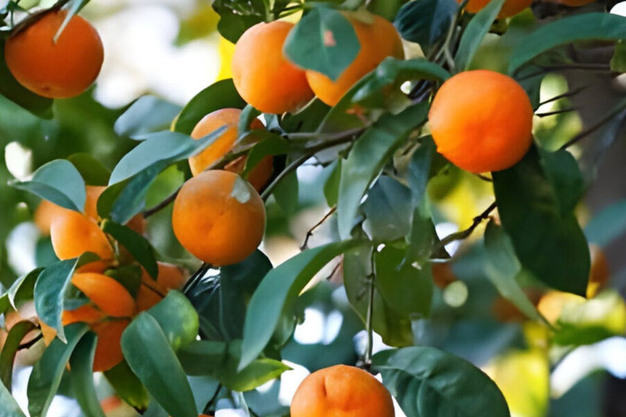
The producer, who also operates a citrus nursery that supplies growers across the country, says that tree plantings are currently rather slow: "Orders are few and far between, and we even think that growers in disaster-stricken areas, such as Gharb, will not be able to take delivery of the trees they have ordered."
The damage could have been much worse, as experienced by our fellow growers in the cereal and vegetable sectors, who have been hit hard by the floods in Loukkos and Gharb. The priority was above all to help the people in the affected regions. We must commend the efficiency and professionalism of the relief efforts provided to local populations by the Royal Armed Forces, the gendarmerie, civil protection, and all government agencies, which mobilized fully with significant technical resources and considerable effort," Kabbage concludes.
For more information:
Tariq Kabbage
Station Kabbage Souss
Email: [email protected]