Peru's fruit industry is monitoring forecasts after the Multisectoral Commission for the National Study of the "El Niño" Phenomenon (ENFEN) confirmed that the Coastal El Niño Alert will remain in development until November 2026. The phenomenon is expected to bring weak warm conditions over the coming months, with the possibility of reaching moderate intensity before July.
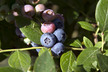
Forecasts indicate above average rainfall along the northern coast and temperature anomalies that could reach up to +3°C in coastal areas. For blueberry production, the combination of higher humidity and temperatures may affect physiological processes such as floral differentiation, fruit firmness, soluble solids accumulation, and post harvest performance.
The 2023 to 2024 El Niño episode already affected production schedules and highlighted the exposure of intensive farming systems to rainfall variability and heat stress. Peru now handles larger export volumes and more complex logistics chains as the country remains the world's largest exporter of fresh blueberries.
The March to May 2026 outlook points to rainfall above seasonal averages along the northern coast. ENFEN also projects higher river flows along the Pacific slope and a greater likelihood of flash floods. Previous El Niño events in 2017 and 2024 disrupted road connectivity and delayed export shipments.
Higher production volumes and established export programs to the United States, Europe, and Asia mean that any logistics disruption can affect supply chains. The sector has introduced drainage systems, climate monitoring, and contingency protocols following earlier climate events.
The ENFEN statement recommends continuous monitoring of weather advisories. For blueberry growers, this includes integrating forecasts into decisions on pruning, nutrition, pest and disease management, and harvest scheduling.
Industry participants are expected to discuss the climate outlook during the International Blueberry Seminar scheduled for March 11 and 12 at the Lima Convention Center.
Source: Blueberries Consulting