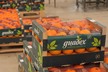
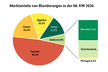
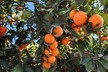
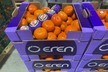
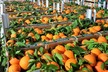
Spanish deliveries in the form of Navelate, Salustiana, and Lane Late set the tone. Their availability was somewhat limited. Imports from Turkey in the form of Washington Navel also lost some momentum. Valencia Late arrivals from Egypt increased, while Baladi oranges were only a marginal phenomenon, according to German BLE. Italian shipments supplemented the range of oranges.
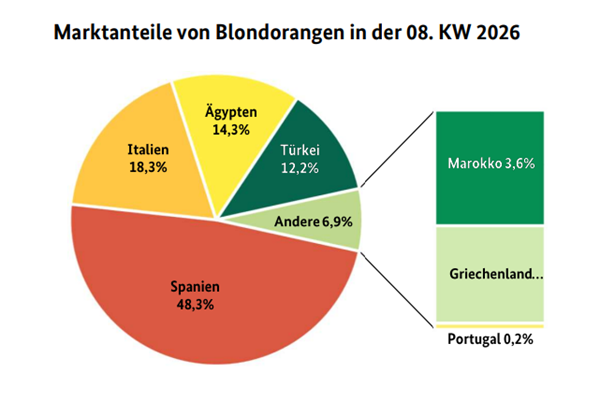 © BLE
© BLE
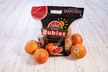
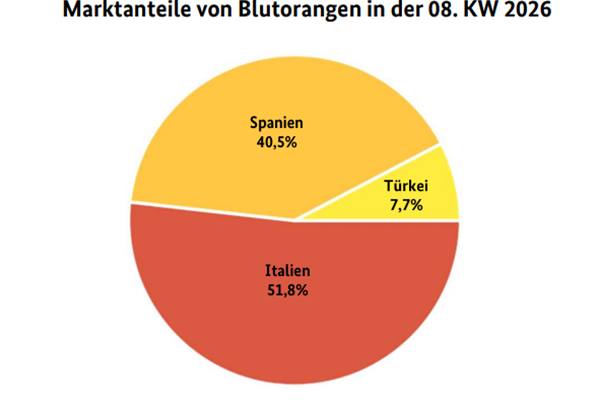
They dominated the blood orange segment: in addition to Moro, Tarocco was the main variety available. Sanguinelli and the red-fleshed Navel orange, Cara Cara from Spain, supplemented this segment. Overall, a certain degree of customer saturation could not be denied. Nevertheless, demand was quite favorable. Juice oranges were preferred by buyers. There was no consistent trend in terms of prices: rising prices were observed as well as falling prices. However, as demand was sufficiently met, there were no major outliers.
 © BLE
© BLE
Click here for the full market and price report.
Apples
Domestic loads predominated, mainly Elstar, Jonagold, and Braeburn. In some cases, the late stage of the season was noticeable in the inconsistent quality and reduced supply. Nevertheless, demand was easily met.
Pears
Italian Abate Fetel and Santa Maria dominated the market. Turkish Santa Maria and Deveci followed in terms of importance, but in some places, only small quantities were delivered. Conference pears came from Germany, the Netherlands, and Belgium, rounding out the picture.
Table grapes
South African loads prevailed, with shipments from Namibia and Peru playing a much smaller role. At times, availability was far too abundant, so that it was not always possible to sell everything. In addition, returns from food retailers caused problems in some places when it came to selling regular goods.
Small citrus fruits
Spanish mandarins predominated in the form of Nadorcott, Tangold, and Orri. Israel participated with Orri, Turkey primarily with Murcott. Morocco and Italy sent small quantities of Nadorcott into the race, while Merav came from Egypt. The winter weather revived demand in some places.
Lemons
As Turkish deliveries were limited, Spanish Primofiori lemons were available in some places on a near-monopoly basis. Prices remained stable or rose slightly again: due to a lack of competition, traders were able to increase their asking prices in some places. This did not dampen demand, however.
Bananas
Business was mixed. In Hamburg and Berlin, supply was sufficiently matched to demand, so prices generally remained stable. Returns from food retailers did not have a significant impact on the placement of regular goods in the capital.
Cauliflower
Italian loads dominated over Spanish and French ones. In addition, a few Belgian and Dutch products were available. Demand was rather subdued and could be easily met.
Lettuce
Spanish loads dominated the iceberg lettuce market. In Frankfurt, there were also Egyptian imports, which sold quickly thanks to their low prices. Head lettuces came from Belgium and Italy, with colorful lettuce also coming from France. Colorful lettuce was slightly pricier.
Cucumbers
Spanish deliveries still dominated, but they lost market shares to intensified Dutch and Belgian inflows. Overall, prices tended to fall rather than rise, which in some places increased subsequent demand.
Tomatoes
Vine tomatoes came primarily from the Netherlands and Spain, and often became cheaper. This was also due to the sometimes poor quality of Moroccan imports, which had to be sold at much lower prices than the competition. Italian and Spanish loads were mostly available for cherry tomatoes.
Bell peppers
Spanish deliveries dominated. In Berlin, availability remained scarce. High prices inhibited customer demand, which is why offers with conditional defects became more common in the capital. In Hamburg, too, high prices inhibited demand, resulting in surpluses.
Source: BLE