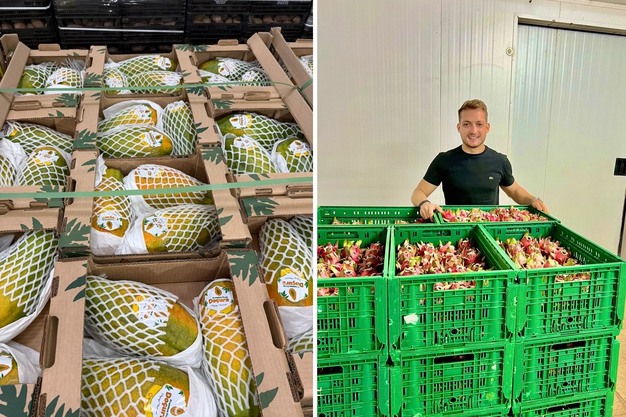
Frutas Bessa, a Brazilian family business with more than 20 years of experience, has recently started exporting papaya and pitahaya directly to Europe. Founder Francisco Bessa is at the helm of the company together with his children, Mara Bessa, Jonathan Bessa, and Marcio Bessa, who together make up the board of directors. The project's continuity is thus guaranteed, and today the firm seeks to consolidate its position in the international market.
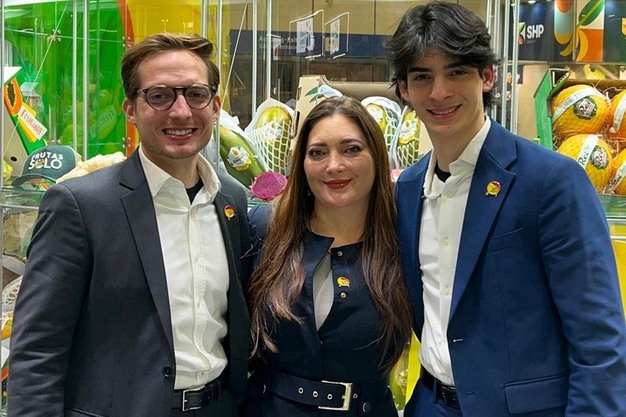 © Frutas Bessa
"We are a family business being passed down to a new generation," they say. For years, they sold their production to other export companies in Brazil, and this allowed them to adapt to the standards demanded by the European market before launching their own brand. "We couldn't consider exporting ourselves without first complying with all the food guarantees and certifications demanded by the destination market. This was our first step," they say.
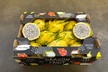
They mainly export Formosa papaya and red pitahaya to Europe, making use of a logistical hub in Lisbon, Portugal, from where the fruit is redistributed to countries such as Spain, the Netherlands, Poland, the United Kingdom, Italy, and France. Shipments are made by air, with volumes ranging between 20 and 30 pallets a week, and the fruit arrives twice a week to guarantee greater freshness.
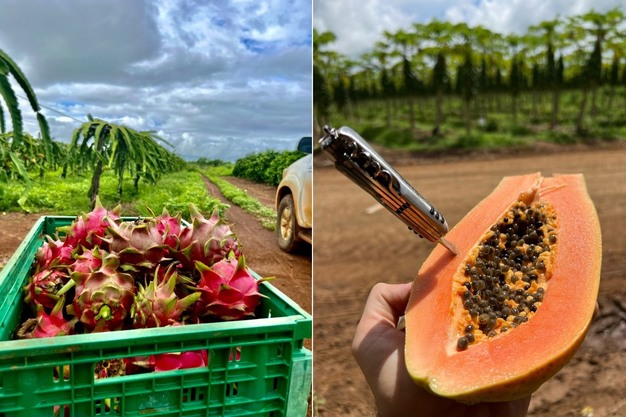 © Frutas Bessa
As far as the market is concerned, they say that papaya consumption is more consolidated in countries such as Spain and Portugal. "People there are more familiar with the fruit; they know about its benefits, about how it's very digestive and healthy," says Mara Bessa. However, they believe that there is still potential in other European destinations where the fruit isn't as popular.
As for pitahaya, they define it as an even more exotic product. "It's more digestive than papaya and has plenty of antioxidants and a lot of vitamin C," they say, describing it as a functional fruit. They also say that its flavor is one of the main factors that motivate buyers to come back for more. "All the clients who try it always buy it again because the fruit has a unique, very sweet flavor."
 © Frutas Bessa
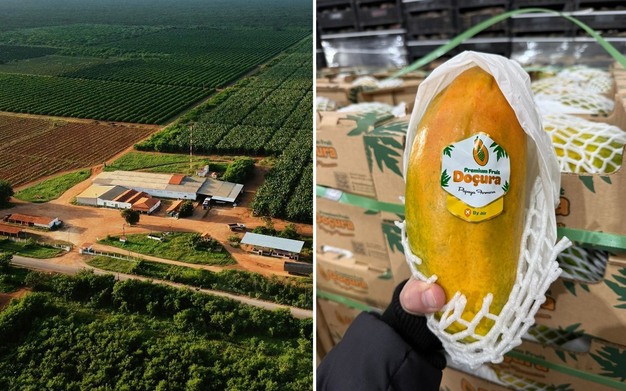
In terms of production, they acknowledge facing constant challenges. "We have fruit ready to be picked 365 days of the year," they say, emphasizing that production is continuous and that the final volume largely depends on market behavior. For this year, the aim is to grow by 20%, backed by a stable supply and closer relations with their clients.
 © Frutas Bessa
"In terms of supply and demand, the market is stable compared to last year," they say with regard to prices. In addition to Europe, the company also ships fruit to the United Arab Emirates.
Volumes aside, the Bessa family insists on strengthening the link between production and market. "We saw the need for a closer link between our clients and the production process, raising awareness about the difficulties faced in the field while aiming to deliver higher quality and tastier fruit," they say. Their current approach can be summed up as "fruit delivered from field to fork."
For more information:
Jonathan Bessa
Frutas Bessa
Brazil
Tel.: +351 926 114 572
[email protected]
www.frutasbessa.com