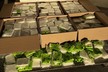
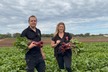
Albanian vegetable exports declined at the start of 2026 following floods that affected key production areas and greenhouses serving export markets.
According to INSTAT data for January, Albania exported 5,367 tons of vegetables, compared with 9,936 tons in January 2025, representing a year-on-year contraction of about 46 per cent.
January 2025 marked a decade high for the month, supported by expanded greenhouse production and demand from European markets. Seasonal crops such as cabbage and carrots contributed to export growth and encouraged new field plantings. Flooding in January 2026 damaged hundreds of hectares of field crops, affecting output for the current season.
Despite the decline, export volumes remain above most pre-pandemic levels, when January shipments ranged between 1,800 and 3,800 tons. Recent expansion in greenhouse capacity has supported a higher production base, but the 2026 start highlights continued exposure to climate-related risks.
Flooding in western lowland production zones directly affected crop volumes and disrupted logistics. Transport constraints and supply chain interruptions limited shipments to European destinations.
After several years of investment in protected cultivation, the flooding underlines the role of infrastructure and climate risk management in maintaining export continuity.
Operators expect exports to recover during the season, although short-term uncertainty remains. At the same time, structural changes in the sector are ongoing. Agricultural activity is consolidating, with a decline in total production alongside a stronger export orientation.
Smaller and medium-sized farms in rural areas are facing demographic pressures linked to population decline and ageing. Larger operations, including greenhouse complexes in intensive production areas such as Fier and Lushnja, are expanding with a focus on export markets.
Source: BalkanWeb