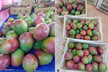
Vietnamese dragon fruit imports into India are peaking right now during the November-February wedding season, says Vikrant Sharma, partner at IndoViet Group, a fresh produce importer and exporter. "Vietnam's red soils produce top-quality white-flesh varieties with a distinctive sweet-sour taste that Indian buyers prefer," he notes.
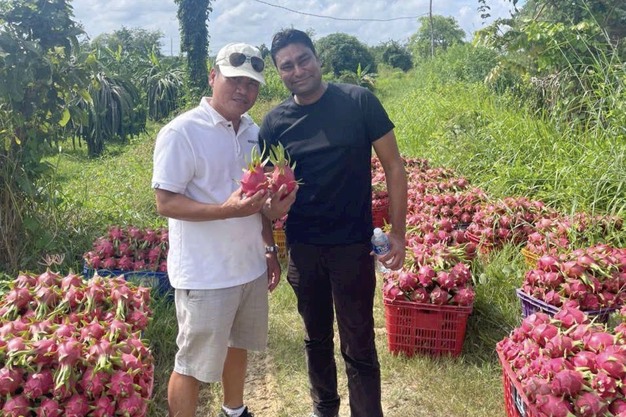
Shipments have risen steadily through the winter wedding season: "We loaded 6 containers in November, 8 in December, 10-11 in January, and 6 already this month, with a target of 8-10 containers to wrap up the peak. White-flesh fruit is packed in standard 9kg boxes, containing 19-20 fruits of 400-450g each, primarily for Mumbai's Vashi market, which demands premium quality for pan-India distribution, while Chennai port accepts slightly lower grades. CIF Nhava Sheva prices have dropped around 30% from last year's peak shortage levels, and fluctuate weekly based on vessel arrivals and Vietnam's priority shipments to China or Hong Kong."
 © IndoViet Groups
Vikrant reports no quality complaints this season. "The fruit is perishable, so risk is always there, but follow the right post-harvest and packing methods step-by-step, and you can never go wrong. While Vietnam prioritizes China for Chinese New Year rituals and faster delivery, supplies to India are steady owing to superior imported taste driving consistent year-round demand," he explains.
Volumes will ease after February but continue throughout the year, rebounding in the monsoon months of June-August when demand picks up again, Vikrant mentions. "The market will go low after February, but loadings will continue to maintain continuity. Prices should hold steady if stocks remain balanced."
India remains a reliable secondary market despite intense Mumbai competition, Vikrant wraps up."In India, the margin pressure is significant. Though imports are regular, the high level of competition makes profitability uncertain. But we have been trading in dragon fruit for 8 years, and our experience tells us that Vietnam's reliable volumes and quality will continue to sustain imports and meet India's growing appetite for exotic fruits."
For more information:
Vikrant Sharma
IndoViet Groups
Tel: +84 902 516 806
Tel: +91 88 68 968 539
Email: [email protected]
www.indovietgroups.com