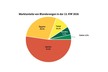
On 10 February 2026, the Amur branch of the Federal Centre for Animal and Plant Health Safety detected Tomato brown rugose fruit virus (ToBRFV) in a 586 kg shipment of tomatoes from China. Since the beginning of the year, three cases of ToBRFV have been identified in imported tomatoes, with the total volume of infected consignments reaching around 1.5 tonnes.
In the Perm region, 216 tonnes of fresh cucumbers were imported from Kazakhstan between 1 January and 9 February, 2.4 times more than in the same period last year (90 t). A 36-tonne shipment inspected on 9 February passed laboratory testing, and no quarantine pests were detected.
On 5 February, 700 kg of tomatoes from China were inspected in the Transbaikal region. Laboratory analysis confirmed the presence of South American tomato leafminer (Tuta absoluta). The consignment was disinfected. This was the first detection of the pest in the region in 2026.
In Dagestan, authorities identified 15 infected consignments of imported fruit and vegetables in January, totaling 298 tonnes. Western flower thrips were found in peppers and zucchini, South American tomato leafminer in tomatoes, and Mediterranean fruit fly in persimmons and mandarins. After fumigation and repeat testing, the products were released for circulation. In total, 4,500 import consignments weighing over 79,000 tonnes were inspected in the region during the month.
In the Kurgan region, 18 tonnes of fresh zucchini originating from China were denied entry on 3 February due to an invalid phytosanitary certificate and returned to Kazakhstan.
In the Omsk region, a 16-tonne shipment of tomatoes from Kazakhstan was also rejected on 1 February due to discrepancies in documentation. Since the start of the year, four vehicles carrying more than 48 tonnes of plant products have been returned at the regional border due to import violations.
Source: fsvps.gov.ru