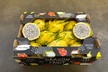
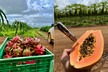
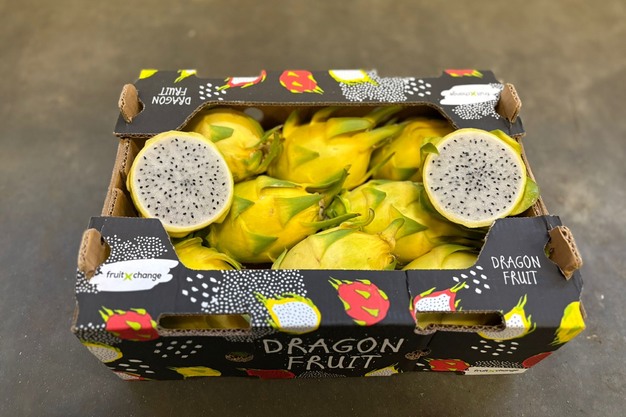
Will dragon fruit become the new avocado? Lorenza Ciccaroni of N&K in the Netherlands dares not say. This lesser-known exotic fruit is, however, certainly gaining popularity. "Many more people than ten years ago know what dragon fruit is," she notices.
 © N&K
© N&K
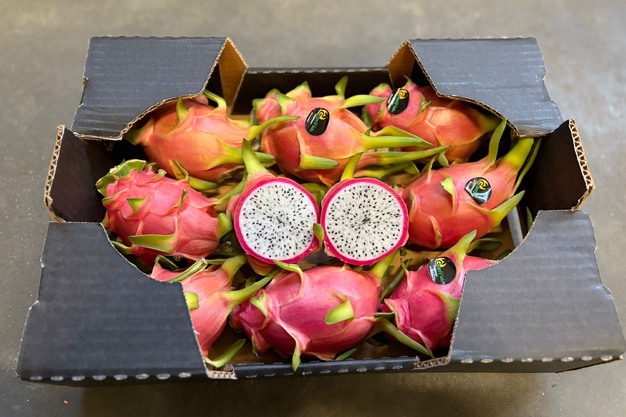
"Instead of a few pallets per week, we now easily sell a few a day. Eventually, it could become a standard item on retail shelves alongside mangoes and avocados." N&K sources its dragon fruit from Peru and Ecuador. "Most of it used to come from Vietnam, but the number of countries of origin is increasing," says Lorenza.
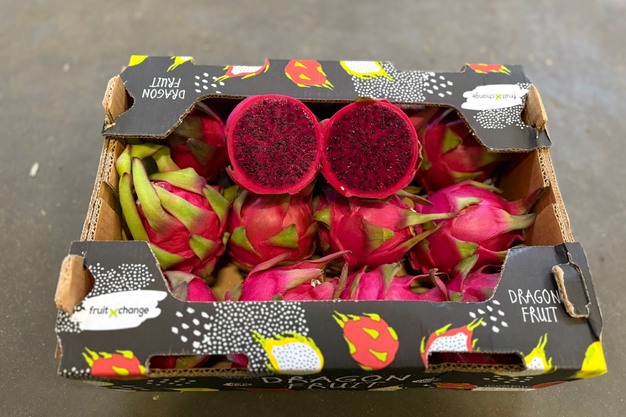
An Ecuadorian colleague, with a production network, joined the N&K team on October 1. Supply from that country has, thus, expanded. "We sell red dragon fruit all year round. There's sometimes a shortage in May, but we never run out and can always replenish our supply from Peru. Brazil, too, is emerging as a producer."
 © N&K
© N&K
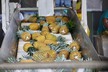
Most of the volume arrives at the French Kinobé group's Dutch import office by plane, while N&K also receives sea freight shipments from Ecuador. "The holidays are still important for sales, but consumers are noticeably maintaining a good purchasing flow. Even after the holidays, sales keep running smoothly," Lorenza explains.
 © N&K
© N&K
Lychees
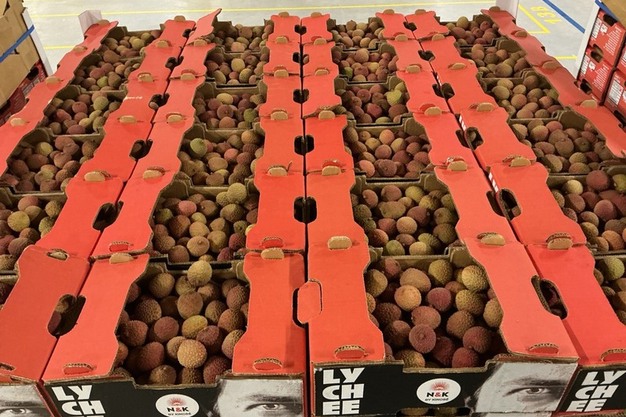
She sees the same positive trend in the lychee market. "That fruit used to be readily available during the Madagascar season, but after that, there wasn't much more. That's changed. This past Christmas was excellent for lychees. Unfortunately, there were many delays at South African ports, but we generally got good volumes and could fill large programs."
 © N&K
© N&K
N&K expects to still receive lychees from South Africa until early February. "Prices are very stable this year. Air freight prices were high all season long. Sea freight prices, too, remained around the level of the first arrival," Lorenza points out.
"Mozambican lychees have now been added, but there are far more small, large, and XL, while 70% of the volume from South Africa is XXL," Ciccaroni says. Supplying lychees year-round remains challenging. "Cultivation is expanding in countries like Brazil, Mexico, and Thailand, but the volumes aren't there. So, while it's always tricky to supply lychees throughout the year, I hope that the time will come," she concludes. (IH)
For more information:
Lorenza Ciccaroni
N&K b.v.
Tel: +31 (0) 78 3032 440
[email protected]